
紙工藝的形成,來自植物纖維、水質條件與生活文化的長期交會。清領時期,隨著漢人移民將造紙技術帶入臺灣,先民多以竹材製作祭祀與民生用紙;日治時期,為發展高級文化用紙,日本政府積極尋找適合造紙的水源與環境,並於南投埔里奠定近代手工紙產業基礎。
戰後,由於中國宣紙進口中斷,加上1970年代亞洲書畫市場興盛,臺灣手工紙產業迎來發展高峰。1980年代後,受到環保法規、工資上升與廉價進口紙材影響,傳統紙業逐漸縮減,部分產地則轉向觀光、教育與設計應用,使紙工藝從日常耗材,逐步轉化為具有文化與設計價值的工藝形式。
臺灣紙工藝的發展,與地方自然條件密切相關。南投埔里因水質純淨、氣候穩定,成為臺灣最具代表性的手工紙重鎮;新竹新埔、嘉義竹崎等淺山地帶,則因盛產桂竹,形成竹紙與粗紙的製作聚落。中南部農業區亦利用農業副產物發展再生紙材,延伸出以地方纖維為基礎的紙工藝系統。
近年來,臺北、臺中、宜蘭等地也透過博物館、文創品牌與教育推廣,重新詮釋紙工藝的當代角色。紙不再只是書寫與包裹的材料,而成為承載地方文化、設計思考與生活美感的重要媒介。
從竹紙、手工紙到再生紙材,紙工藝在臺灣持續隨著材料、產業與文化需求轉變,也在纖維與水流之間,留下屬於土地的工藝痕跡。
---
The development of paper craft in Taiwan emerged through the long interaction between plant fibers, water resources, and daily culture. During the Qing dynasty, papermaking techniques were brought to Taiwan by Han immigrants, who mainly used bamboo to produce paper for rituals and daily life. During the Japanese colonial period, in order to develop high-quality cultural paper, the Japanese government actively searched for suitable water sources and environments, establishing the foundation of Taiwan’s modern handmade paper industry in Puli, Nantou.
After World War II, the interruption of imported Chinese xuan paper, together with the growing East Asian painting and calligraphy market in the 1970s, led to a peak in Taiwan’s handmade paper industry. After the 1980s, environmental regulations, rising labor costs, and inexpensive imported paper gradually reduced the scale of traditional paper industries. Some production areas shifted toward tourism, education, and design applications, transforming paper craft from a daily consumable material into a craft form with cultural and design value.
The development of Taiwanese paper craft is closely connected to local natural conditions. Puli in Nantou, with its clean water and stable climate, became Taiwan’s most representative handmade paper center. Shallow mountain areas such as Xinpu in Hsinchu and Zhuqi in Chiayi, rich in Makino bamboo, developed clusters producing bamboo paper and coarse paper. Agricultural regions in central and southern Taiwan also used agricultural by-products to develop recycled paper materials, extending paper craft systems based on local fibers.
In recent years, cities such as Taipei, Taichung, and Yilan have reinterpreted the contemporary role of paper craft through museums, cultural brands, and educational programs. Paper is no longer only a material for writing and wrapping, but has become an important medium carrying local culture, design thinking, and lifestyle aesthetics.
From bamboo paper and handmade paper to recycled fiber materials, paper craft in Taiwan continues to evolve with changes in materials, industries, and cultural needs, leaving craft traces connected to the land through fibers and water.
---
【地域發展與特色 Regional Development and Characteristics】
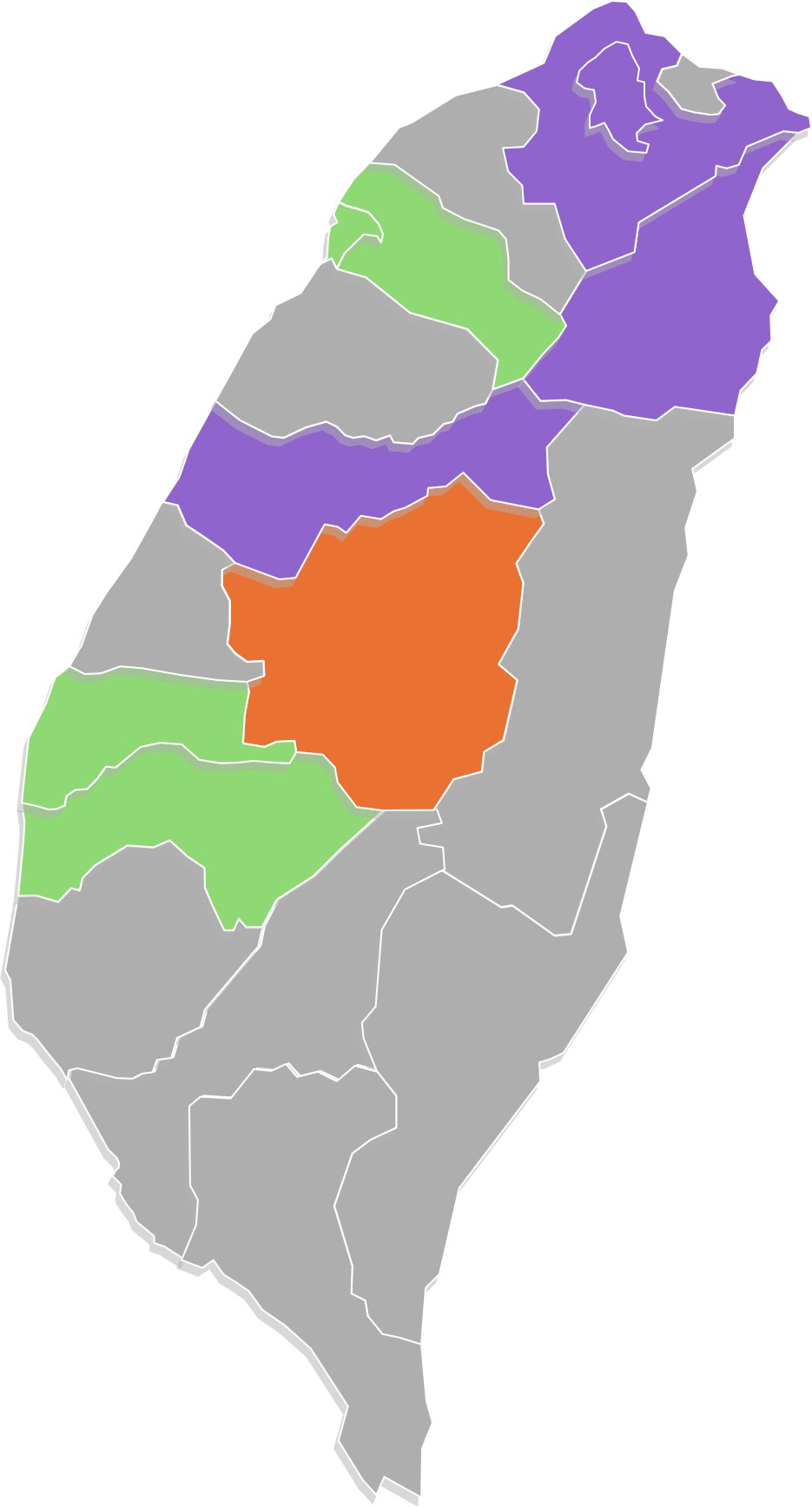
▶都會與歷史據點: 包含臺北、臺中與宜蘭等地,非依賴自然資源,而是由歷史紙業、產業轉型或設計市場驅動,發展博物館、文創品牌與教育推廣等當代紙工藝形式。
Urban and Historical Centers: Including Taipei, Taichung, and Yilan. Rather than depending on natural resources, these areas developed contemporary paper craft through historical paper industries, industrial transformation, design markets, museums, cultural brands, and educational promotion.
▶中部山城水系: 以南投埔里為代表,因水質純淨與氣候穩定,發展高品質手工紙,並延伸為結合文化用紙與觀光體驗的產業聚落。
Central Mountain Water Systems: Represented by Puli in Nantou, where clean water and a stable climate supported the development of high-quality handmade paper, later expanding into cultural paper industries and tourism experiences.
▶淺山與農業地帶: 新竹、嘉義及中南部農業區依賴桂竹與農業副產物等在地纖維資源,發展竹紙、粗紙及再生紙材,形成以材料取得為基礎的紙工藝系統。
Western Foothills and Agricultural Areas: Including Hsinchu, Chiayi, and agricultural regions in central Taiwan. These areas relied on local fiber resources such as Makino bamboo and agricultural by-products to develop bamboo paper, coarse paper, and recycled paper materials.