
石器和玉器是理解臺灣史前社會重要的物質遺留。由於材質堅硬耐久,這些器物得以穿越時間保存至今。在缺乏文字記錄的年代,它們不僅是維繫生存的工具,也承載著生產方式、社會組織、信仰觀念與工藝技術,映照出人群如何與環境互動,並逐步建立文化秩序。
臺灣石工藝的發展,可追溯至距今數萬年前的舊石器時代長濱文化。當時人群以漁獵與採集為生,取用海濱與河床礫石,透過直接敲擊的打製技術製作工具,如石片器與石核器,用於切割、刮削、砍伐與敲擊等基本生存需求。
進入新石器時代(約距今六千至二千年),石工藝出現關鍵轉變。磨製與鑽孔技術逐漸成熟,器物從粗略打製轉為經敲修、研磨與拋光的精製形式,不僅提升工具效能,也展現對石材性質與加工程序的深刻理解。石器由此從單純工具,發展為兼具功能與形式的工藝表現。
進入公元前後之際,煉鐵技術傳入臺灣,鐵器迅速取代石器成為主要生產工具。然而在內陸或高山等鐵器取得不易之地,石器仍持續沿用一段時期,呈現金石(鐵石)並行的過渡景象。
另一方面,玉器的發展則延續並深化了對石材加工的理解。20世紀中葉,花蓮豐田玉礦的再發現,開啟臺灣玉石工藝的新階段。
1960至1970年代,玉礦開採與加工產業迅速發展,形成以花蓮為核心的玉雕重鎮,玉器成為重要的工藝商品並外銷海外。其後因開採成本提高與資源品質下降,產業逐漸衰退。
1980年代,隨著卑南遺址出土大量史前玉器,臺灣玉文化再次受到關注。這些文物展現史前時期高度成熟的製作技術與文化意涵,也促使當代玉雕創作重新連結歷史脈絡。
從打製石器到精工玉器,石工藝在不同時代持續回應生活需求與文化意義,呈現出材料、技術與社會之間不斷轉化的歷程。
---
Stone tools and jade objects are important material remains for understanding prehistoric societies in Taiwan. Because of their hardness and durability, these objects have survived through time. In periods without written records, they were not only tools for survival, but also carried information about production methods, social organization, beliefs, and craft techniques, reflecting how people interacted with their environment and gradually formed cultural systems.
The development of stone craft in Taiwan can be traced back to the Changbin Culture of the Paleolithic period tens of thousands of years ago. At that time, people relied on fishing, hunting, and gathering, using pebbles from coastlines and riverbeds to make tools through direct stone-knapping techniques. Stone flakes and cores were used for cutting, scraping, chopping, and striking to meet basic survival needs.
During the Neolithic period (around 6,000 to 2,000 years ago), stone craft underwent an important transformation. Grinding and drilling techniques gradually matured, and stone objects evolved from rough chipped forms into carefully shaped, polished, and refined tools. This not only improved their function, but also showed a deeper understanding of stone materials and production processes. Stone objects gradually developed from simple tools into craft forms with both function and aesthetic qualities.
Around the beginning of the Common Era, ironworking technology was introduced to Taiwan, and iron tools quickly replaced stone tools as the main production implements. However, in inland and mountainous areas where iron was difficult to obtain, stone tools continued to be used for a period of time, creating a transitional stage in which stone and iron tools coexisted.
The development of jade objects further deepened the understanding of stone processing techniques. In the mid-20th century, the rediscovery of the Fengtian jade mine in Hualien marked a new stage in Taiwanese jade craft. During the 1960s and 1970s, jade mining and processing industries rapidly expanded, making Hualien an important jade carving center. Jade products became major craft exports during this period, though the industry later declined because of rising mining costs and decreasing resource quality.
In the 1980s, the discovery of large numbers of prehistoric jade objects at the Beinan archaeological site renewed attention toward Taiwan’s jade culture. These artifacts demonstrated highly developed prehistoric craftsmanship and cultural meaning, reconnecting contemporary jade carving with historical traditions.
From chipped stone tools to finely crafted jade objects, stone craft in Taiwan has continued to respond to changing daily needs and cultural meanings, reflecting the ongoing transformation between materials, techniques, and society.
---
【地域發展與特色 Regional Development and Characteristics】
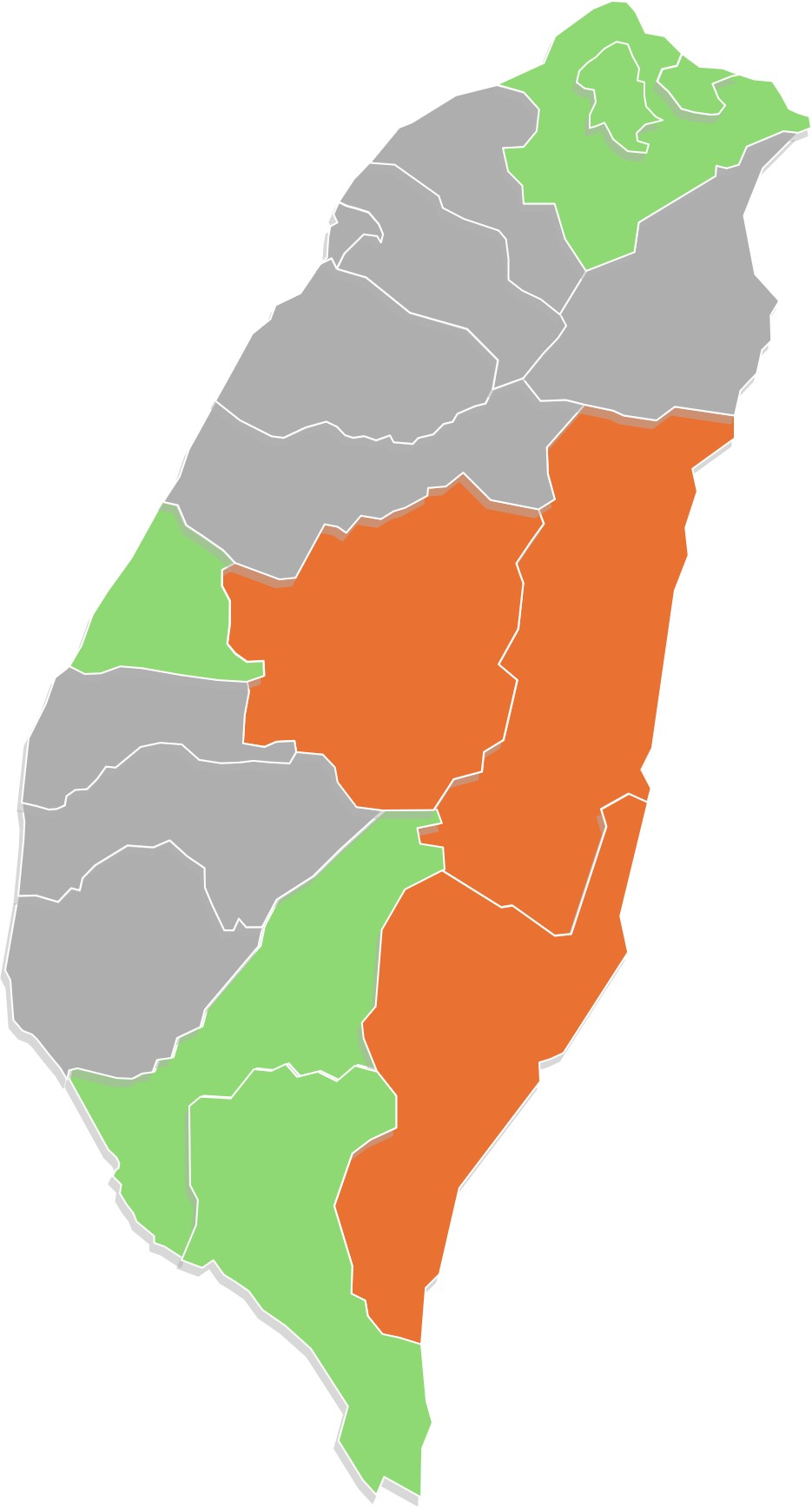
▶西部雕刻與創作帶: 涵蓋北中南地區,雖無礦源優勢,但因雕刻產業與工藝教育發展成熟,形成以師承技術、工作室創作與展覽推廣為主的玉石工藝體系。
Western Carving and Creative Areas: Covering northern, central, and southern Taiwan. Although these regions lack mining resources, mature carving industries and craft education systems supported jade craft based on apprenticeship, studio creation, and exhibition activities.
▶東部礦源地帶: 以花蓮為代表,因豐田玉與多種石材礦脈集中,發展玉石開採與加工基礎,並轉型結合觀光、展示與體驗,形成以材料為核心的竹石工藝聚落。
Eastern Mining Areas: Represented by Hualien, where Fengtian jade and other stone resources are concentrated. The region developed jade mining and processing industries, later combining tourism, exhibitions, and hands-on experiences to form jade craft communities centered on local materials.