
皮革是一種歷史悠久的材料。從古代的防護裝備、馬具與生活器物,到今日的鞋履、包袋與手工配件,皮革始終與人們的日常密切相連。經由鞣製、染色與加工後,動物皮膚得以轉化為具有韌性、耐用性與質感的工藝材料,並逐漸發展出兼具實用與美學價值的皮革工藝。
臺灣皮革產業的形成,與戰後出口導向經濟密切相關。1960至1980年代,隨著製鞋與皮件外銷擴張,製革、加工與代工體系逐步成熟,形成完整供應鏈。由於製革原料長期仰賴進口,臺北等港口與都會地區成為原料與技術交流的重要據點;中南部則依託加工出口區與製鞋產業,發展為皮革加工與量產基地。
1980年代後,隨著產業外移與國際市場轉變,臺灣皮革產業逐漸由大量製造轉向設計、品牌與手工創作。都市中的手作皮件工坊與設計品牌興起,使皮革不再只是工業材料,也成為工藝創作與生活美學的重要媒介。
皮革工藝最大的特色,在於它會隨著使用產生變化。不同動物、部位與環境條件形成各異的紋理與質感,而長時間使用所留下的刮痕、皺摺與色澤變化,也成為使用者與器物共同累積的生活痕跡。正因每一塊皮革都無法完全複製,當器物損壞或老化時,修復往往需要重新拆解、補料與縫製,過程繁複而細緻。
從產業製造到個人手作,皮革工藝在臺灣持續於功能、設計與情感之間發展,也讓材料本身,成為記錄時間與生活的載體。
---
Leather is a material with a long history. From ancient protective gear, horse equipment, and daily utensils to modern shoes, bags, and handmade accessories, leather has always been closely connected to everyday life. Through tanning, dyeing, and processing, animal hides are transformed into durable and textured craft materials, gradually developing into leather craft that combines both practical and aesthetic value.
The development of Taiwan’s leather industry was closely related to the export-oriented economy after World War II. From the 1960s to the 1980s, as shoe manufacturing and leather goods exports expanded, tanning, processing, and OEM production systems gradually matured into a complete supply chain. Since leather materials relied heavily on imports, port cities and urban areas such as Taipei became important centers for material trade and technical exchange, while central and southern Taiwan developed into leather processing and mass-production bases through export processing zones and shoe industries.
After the 1980s, with industrial relocation and changes in the global market, Taiwan’s leather industry gradually shifted from mass production toward design, branding, and handmade creation. The rise of urban leather craft studios and design brands transformed leather from an industrial material into an important medium for craft creation and lifestyle aesthetics.
One of the main characteristics of leather craft is that the material changes over time through use. Different animals, body parts, and environmental conditions create unique textures and surfaces, while scratches, wrinkles, and color changes formed through long-term use become shared traces between the object and its user. Since no two pieces of leather are exactly alike, damaged or aged leather objects often require careful repair through disassembly, patching, and stitching.
From industrial manufacturing to individual handcrafting, leather craft in Taiwan continues to develop between function, design, and emotion, allowing the material itself to become a record of time and daily life.
---
【地域發展與特色 Regional Development and Characteristics】
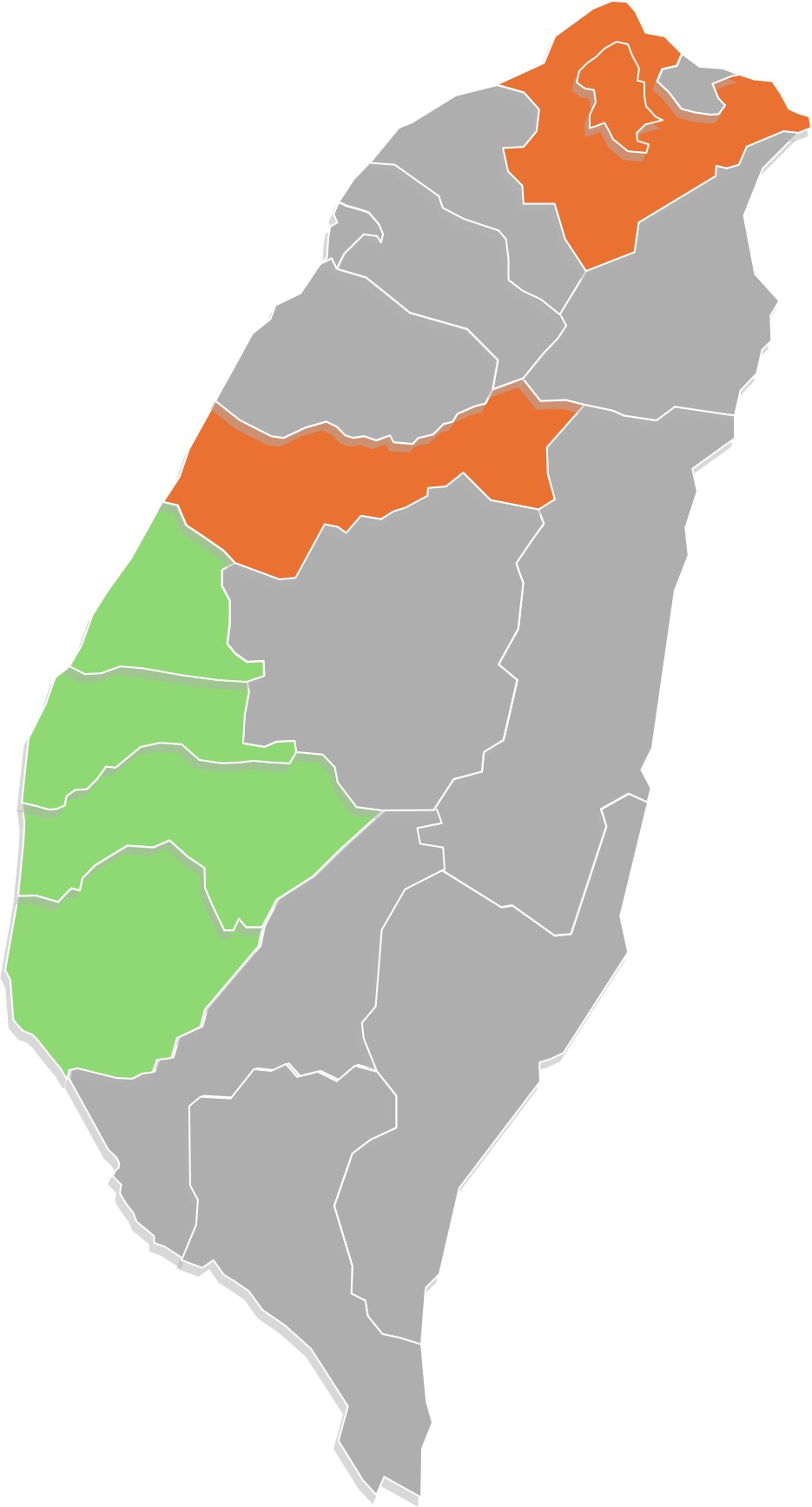
▶北部港口與都會帶: 以臺北為核心,具備港口貿易與市場條件,早期承接進口生產皮加工與技術交流功能,亦為皮革工藝與教學推廣的重要起點。
Northern Port and Urban Areas: Centered around Taipei, these areas benefited from port trade and market access, becoming early centers for imported raw leather processing, technical exchange, leather craft, and education.
▶中南部加工製造帶: 出口導向時期形成製鞋與鞋材加工網絡,皮革材料在此區大量使用並推動供應鏈成熟,建立分工與代工體系。依託加工出口區制度與勞動力優勢,承接大量外銷訂單,形成皮革相關產品的量產基地。
Central and Southern Manufacturing Areas: During the export-oriented industrial period, shoe manufacturing and leather material processing networks developed in these regions. Supported by export processing zones and labor advantages, they became major production bases for leather-related products and OEM manufacturing.