
漆工藝,是以天然漆或相關塗料,施作於木、竹、籃胎、陶、玻璃等胎體表面的工藝。它既能保護器物、延長使用年限,也能透過鬆塗、彩繪、雕刻、鑲嵌等技法,形成溫潤細緻的裝飾效果。
臺灣早期民間生活中的漆器,多隨漢人移民與商貿傳入,常見於衣箱、梳妝台、紅眠床、櫥櫃、桌椅、禮籃、謝籃、神像與祭祀用品等。這些器物多以用途命名,漆往往被視為家具或器物製作中的一道工序,而非獨立的工藝門類。
臺灣漆工藝真正具備在地發展條件,與日治時期天然漆樹的引種、試植與人才培育密切相關。漆樹種植成功後,漆料來源逐漸穩定,山中公美術工藝漆器製作所、臺中市立工藝傳習所等機構,也推動漆工技術的傳習。
戰後,臺灣漆藝在不同地區形成各自面貌。臺北會有福州漆器發展;桃園大溪以髹漆紅木家具聞名;新竹地區發展螺鈿鑲嵌家具;臺中豐原則因木器產業與外銷訂單,帶動髹漆木器生產。草屯以生活漆器與籃胎漆器為重要特色;南投埔里地區則因漆樹種植、採漆與精煉,成為臺灣漆產業的重要基地。
從日常家具的表面保護,到蓬萊塗、籃胎漆器與當代跨媒材創作,漆工藝在臺灣的發展,展現了材料、技術與生活美學之間的長久關係。它曾隱沒於日常器用之中,也在今日被重新看見其獨立的工藝價值。
---
Lacquer art is a craft that applies natural lacquer or related coatings onto surfaces such as wood, bamboo, basketry, ceramics, and glass. It protects objects and extends their lifespan, while techniques such as layering, painting, carving, and inlay create refined decorative effects.
Early lacquerware in Taiwan was introduced through Han migration and trade, commonly appearing on chests, dressing tables, wedding beds, cabinets, furniture, ritual baskets, deity statues, and ceremonial objects. At that time, lacquer was often treated as part of furniture production rather than an independent craft category.
The local development of lacquer art in Taiwan became more established during the Japanese colonial period, when lacquer trees were introduced, cultivated, and studied. As lacquer supplies became stable, institutions such as the Yamanaka Public Art Lacquer Workshop and Taichung Craft Training Institute promoted lacquer techniques and education.
After World War II, lacquer craft developed differently across regions. Taipei developed Fuzhou-style lacquerware; Daxi in Taoyuan became known for lacquered hardwood furniture; Hsinchu developed mother-of-pearl inlay furniture; and Fengyuan in Taichung expanded lacquered wood production through the furniture industry and export markets. Caotun became known for daily lacquerware and basket-body lacquerware, while Puli in Nantou developed into Taiwan’s main center for lacquer tree cultivation, lacquer harvesting, and lacquer refining.
From furniture protection to Penglai lacquer, basket-body lacquerware, and contemporary mixed-media creation, lacquer art in Taiwan reflects the long relationship between materials, techniques, and daily aesthetics. Once hidden within everyday objects, lacquer craft is now increasingly recognized for its independent artistic and cultural value.
---
【地域發展與特色 Regional Development and Characteristics】
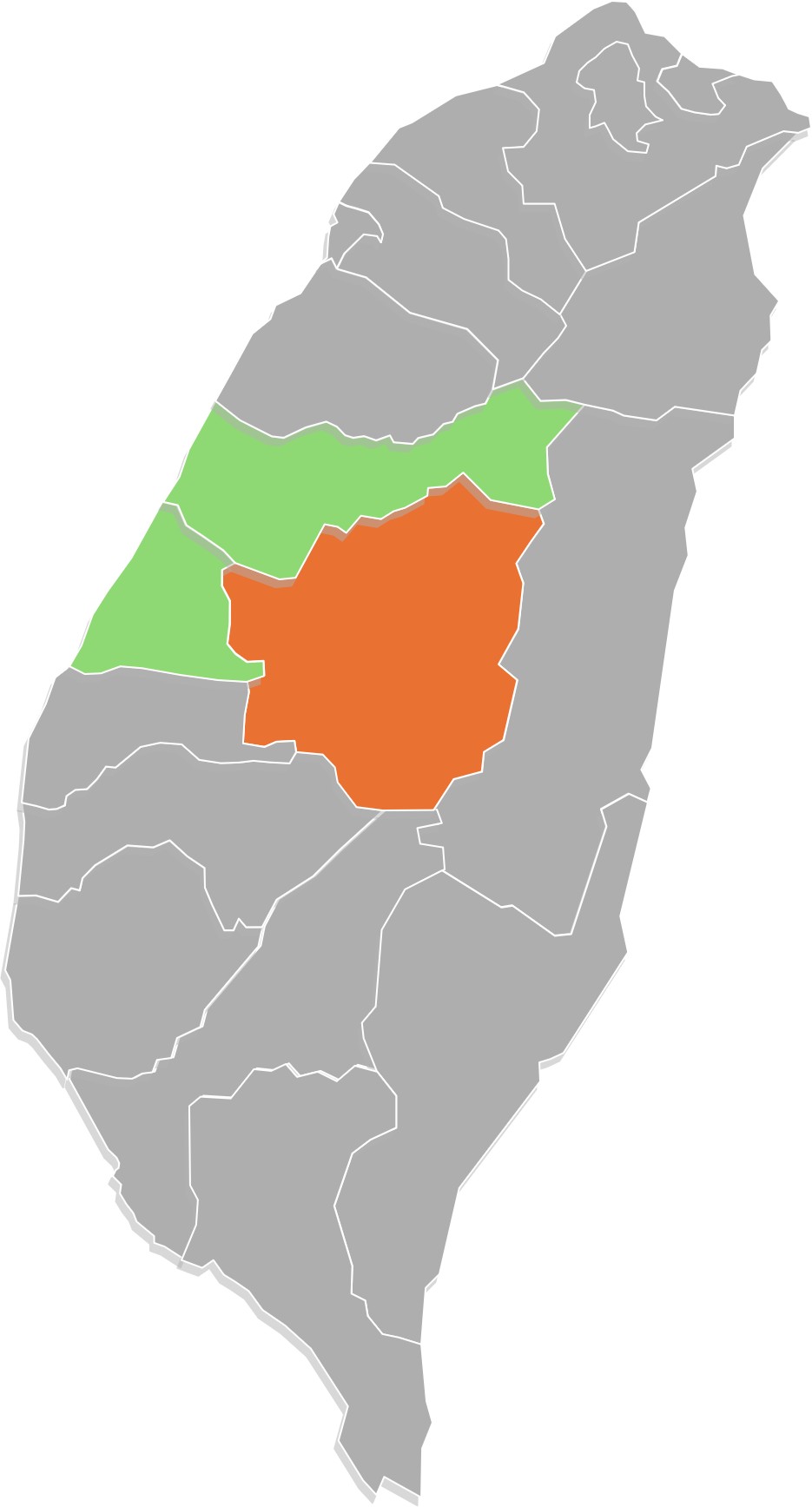
▶南投埔里地區: 戰後漆樹集中栽培區,具氣候與山區環境優勢,形成植漆、採漆與煉漆體系,是臺灣天然漆主要產地。
Puli, Nantou: After World War II, Puli became Taiwan’s main lacquer tree cultivation area because of its mountain environment and climate, developing systems for planting, harvesting, and refining natural lacquer.
▶西部沿海地區: 苗栗為早期漆樹栽培區,日治時期曾大量種植漆樹。臺中及彰化地區承襲明清福州漆藝技法與日治時期日本漆藝技法,形成乾漆與神桌塗裝等應用,展現地方宗教與生活器物需求而形成工藝聚落。
Western Coastal Areas: Miaoli was an early lacquer tree cultivation area during the Japanese colonial period. Taichung and Changhua inherited both Fuzhou lacquer techniques from the Qing dynasty and Japanese lacquer techniques from the colonial period, developing dry lacquer and lacquered altar furniture connected to local religious and daily-life needs.