
臺灣位處溫暖濕潤的亞熱帶氣候地帶,適合竹類生長,竹林資源豐富且生長快速,三至五年即可成材,兼具再生性與加工便利性,成為長期支撐生活的重要材料。常見用於工藝製作的竹種,包括桂竹、孟宗竹、刺竹與長枝竹,分布於中北部山區至南部平地,各具韌性與結構特性,廣泛應用於日常器物與興建需求之中。
藤材多生長於熱帶與亞熱帶森林,具有柔韌、可彎曲與高張力的特性,常與竹材搭配使用。過去無論原住民族或漢人社會,藤編皆廣泛運用於魚筌、背籃、盛器與家具等生活用品之中,形成與竹工藝並行發展的材料體系。
日治時期於南投竹山設立竹藝指導所與傳習機構,培養竹工技術人才,使竹山逐步形成竹材加工與技術傳承中心改變臺灣以實用為導向的竹編風格,技術由簡易厚實轉變為精緻而富有變化。戰後,隨著工藝制度與市場、產業環境的轉變,竹藤工藝逐步由以生產為導向的手工業,轉向兼顧實用、造形與品質的發展方向。在人才培育與技術改良的推動下,製作過程更加穩定,形式亦逐漸多元。1956年成立的台灣手工業推廣中心陸續於台南關廟、嘉義布袋、彰化鹿港、南投竹山等地推動竹、木、藤手工藝的訓練及生產銷售活動,建立市場導向的外銷模式。
進入當代,竹材因其韌性與結構穩定,成為跨材質創作的重要媒介;藤材則因自然資源減少,逐漸由日常器用轉向空間與造形表現。兩者在延續編織技術的同時,也開啟與現代設計與藝術創作之間的對話。
---
Taiwan’s warm and humid subtropical climate is well suited for bamboo growth. Bamboo forests are abundant and fast-growing, reaching maturity within three to five years. Because of its renewability and ease of processing, bamboo has long been an important material in daily life. Common bamboo species used in craft production include Makino bamboo, moso bamboo, thorn bamboo, and long-branch bamboo, distributed from the mountains of central and northern Taiwan to the southern plains. Each species has different flexibility and structural qualities, making them widely used for daily utensils and construction purposes.
Rattan mainly grows in tropical and subtropical forests and is known for its flexibility, bendability, and strength. It is often used together with bamboo. In both Indigenous and Han communities, rattan weaving was widely applied to fish traps, carrying baskets, containers, furniture, and other daily objects, developing alongside bamboo craft traditions.
During the Japanese colonial period, bamboo craft training institutes and teaching centers were established in Zhushan, Nantou, to cultivate bamboo craft skills and technical knowledge. Zhushan gradually became an important center for bamboo processing and craftsmanship, transforming Taiwan’s bamboo weaving style from simple and practical forms into more refined and varied expressions. After World War II, changes in craft systems, markets, and industrial environments shifted bamboo and rattan craft from production-oriented handicrafts toward a balance of function, form, and quality. With improvements in training and techniques, production processes became more stable and forms more diverse.
In 1956, the Taiwan Handicraft Promotion Center began promoting bamboo, wood, and rattan craft training, production, and sales in places such as Guanmiao in Tainan, Budai in Chiayi, Lukang in Changhua, and Zhushan in Nantou, establishing export-oriented market systems.
In contemporary practice, bamboo’s flexibility and structural stability have made it an important medium for mixed-material creation, while rattan, due to decreasing natural resources, has gradually shifted from daily utensils toward spatial and sculptural expression. While continuing traditional weaving techniques, both materials have also entered into dialogue with modern design and contemporary art.
---
【地域發展與特色 Regional Development and Characteristics】
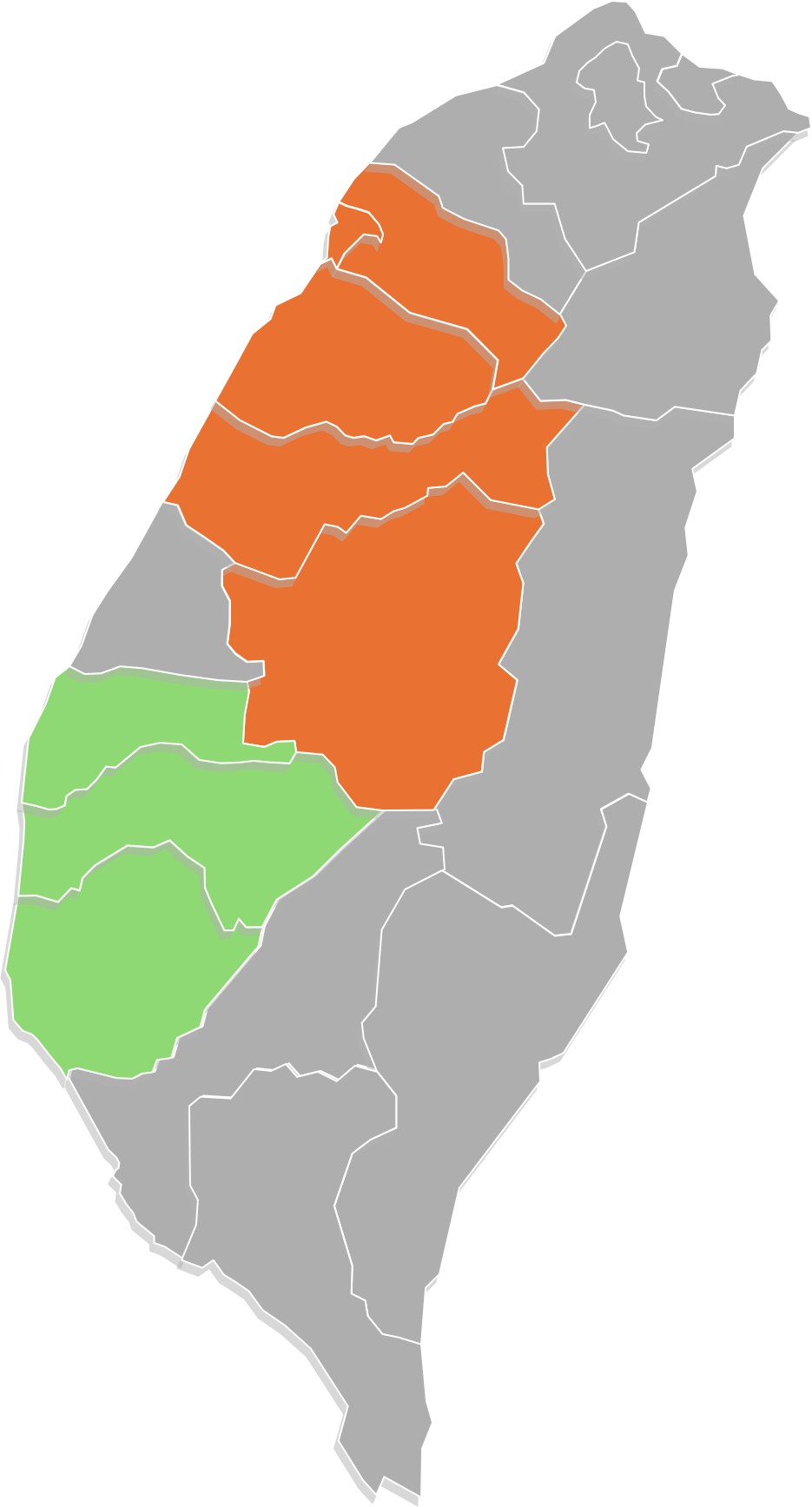
▶南投竹山地區: 竹林面積廣大,為全臺最大竹材產區。日治時期設立竹藝指導機構,1970年代政府設置竹材加工區,形成家戶加工與外銷並行的產業聚落,奠定臺灣竹工藝製造中心地位。
Zhushan, Nantou: With extensive bamboo forests, Zhushan is Taiwan’s largest bamboo-producing region. During the Japanese colonial period, bamboo craft training institutions were established there, and in the 1970s the government created bamboo processing zones. These developments formed an industrial cluster combining household production and export industries, establishing Zhushan as Taiwan’s bamboo craft manufacturing center.
▶嘉義與臺南平原: 清代以來形成竹工產業集中的地區,製作農具、生活器具與家具,日治時期持續發展,成為竹製品內銷與外銷的重要據點。Chiayi and Tainan Plains: Since the Qing dynasty, these areas developed concentrated bamboo craft industries producing farming tools, household utensils, and furniture. Continued development during the Japanese colonial period made them important centers for both domestic sales and export of bamboo products.