
金工,涵蓋金、銀、錫、銅、鐵等材料的製作與創作。其運用範圍廣泛,包含生活器物、宗教器物、穿戴飾物,以及藝術品與當代創作物件。金屬因堅固、可塑與具光澤的特性,既能回應日常生活使用,也能承載禮俗、信仰與審美需求。
臺灣金工的發展,早期多與移民、商貿及地方經濟有關。清中葉以後,社會逐漸穩定,源自泉州、漳州、福州一帶的金銀細工技藝在臺灣生根。臺南作為清代首府,因水運便利與商業繁盛,成為金銀打造的重要聚集地,清末府城已有「打銀街」之稱,顯示金銀細工的興盛。
日治時期,金銀細工持續發展,臺南、鹿港、新竹、大稻埕與艋舺等地皆有銀店聚集。當時金工以穿戴飾物為主要基礎,婚嫁首飾、日常配件與禮俗用品需求旺盛;同時也出現佛像、花瓶、徽章與地方意象擺件等觀賞性作品,使金工從民生器用延伸至展示與收藏。
戰後初期,黃金買賣受政策管制,金工一度發展受限。1957年撤銷銀樓登記限制後,產業逐漸復甦。1970至2000年間,隨著經濟起飛與加工產業興盛,臺灣金工進入重要發展期,臺南更成為黃金珠寶飾品代工重鎮,享有「臺灣金仔窟」之名。
1980年代以後,受西方金工教育影響,臺灣金工逐漸從傳統師徒制走向學院教育。金屬工藝被納入大學藝術課程,培養出新一代創作者,也使金工不再侷限於實用與裝飾,而能透過複合媒材、觀念表達與身體經驗,展現當代藝術的多元面貌。從銀樓街頭到學院創作,金工在臺灣歷經生活、信仰、產業與藝術的多重轉化,映照出金屬材料在不同時代中的文化價值與創作可能。
---
Metalwork includes the making and creation of works using gold, silver, tin, copper, iron, and other metals. Its applications are wide-ranging, including daily utensils, religious objects, wearable accessories, artworks, and contemporary craft pieces. Because metal is durable, workable, and reflective, it can serve both practical functions and cultural, religious, and aesthetic needs.
The development of Metalwork in Taiwan was closely connected to migration, trade, and local economies. After the mid-Qing dynasty, as society became more stable, goldsmithing and silversmithing techniques from Quanzhou, Zhangzhou, and Fuzhou gradually took root in Taiwan. Tainan, as the Qing dynasty capital, benefited from convenient water transportation and active commerce, becoming an important center for gold and silver craftsmanship. By the late Qing period, the city already had an area known as “Silversmith Street,” reflecting the prosperity of metalworking trades.
During the Japanese colonial period, gold and silver craft continued to develop. Silver shops gathered in Tainan, Lukang, Hsinchu, Dadaocheng, and Bangka. At the time, wearable jewelry formed the main foundation of Metalwork, with strong demand for wedding jewelry, daily accessories, and ceremonial items. Decorative objects such as Buddhist statues, vases, badges, and local-themed ornaments also appeared, extending Metalwork from practical objects into display and collectible works.
In the early postwar years, government restrictions on gold trading temporarily limited the development of Metalwork. After registration restrictions on silver shops were lifted in 1957, the industry gradually recovered. Between the 1970s and 2000s, alongside rapid economic growth and expanding manufacturing industries, Taiwanese Metalwork entered an important development period. Tainan became a major OEM center for gold jewelry production and was known as “Taiwan’s Gold Capital.”
After the 1980s, influenced by Western Metalwork education, Taiwanese metalworking gradually shifted from traditional apprenticeship systems to academic training. Metalwork became part of university art programs, cultivating a new generation of creators. Metalwork was no longer limited to practical and decorative functions, but also developed into contemporary artistic expression through mixed media, conceptual approaches, and bodily experience.
From silver shop streets to academic creation, Metalwork in Taiwan has undergone transformations through daily life, religion, industry, and art, reflecting the cultural value and creative possibilities of metal materials across different periods.
---
【地域發展與特色 Regional Development and Characteristics】
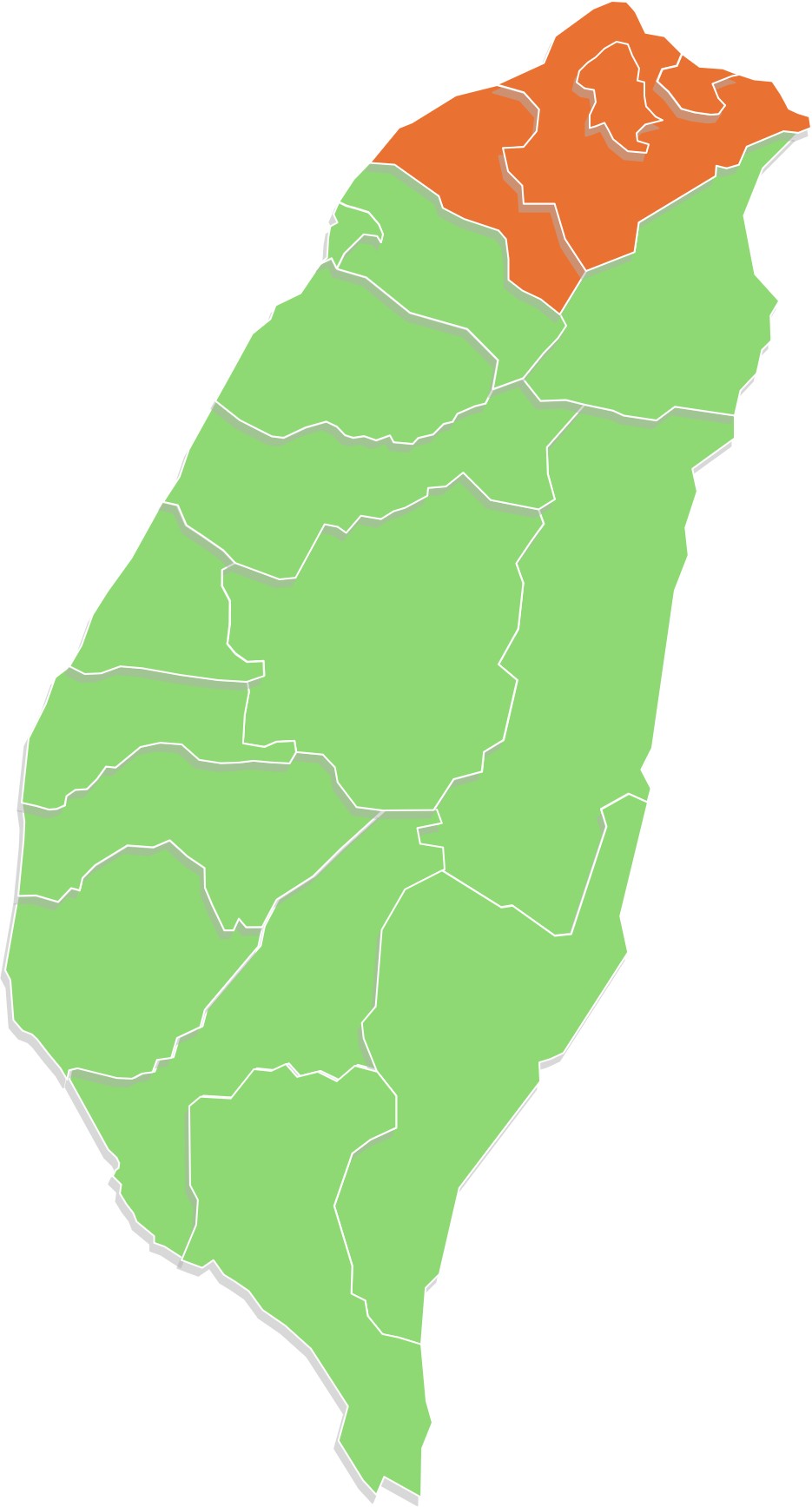
▶北部都市聚落: 臺北萬華、板橋地區1960至1980年代景泰藍與琺瑯工藝外銷重鎮,製造廠商逾兩百家,臺灣曾有「景泰藍王國」之稱。
Northern Urban Areas: Wanhua in Taipei and Banqiao became major export centers for cloisonné and enamel craft from the 1960s to the 1980s. At one point, Taiwan was known as the “Kingdom of Cloisonné,” with more than two hundred manufacturers.
▶全臺銀樓與家庭工坊體系: 清代以來金銀細工普及於各地城鎮,戰後因黃金管制政策形成家庭型金工工作室,延續師徒傳承系統。中南部地區則因銅錫禮器、宗教用品與民生活動器皿製作需求穩定,形成地方性金工網絡。
Silver Shop and Family Workshop Networks Across Taiwan: Since the Qing dynasty, goldsmithing and silversmithing spread across towns throughout Taiwan. After World War II, government gold control policies encouraged the formation of family-based metalworking studios that continued traditional apprenticeship systems. In central and southern Taiwan, stable demand for bronze and tin ritual objects, religious items, and household utensils also formed regional Metalwork networks.