
臺灣陶瓷工藝的發展,與聚落形成、建築需求及日常生活密切相關。17世紀荷蘭東印度公司占治臺南後,為興建城堡與公司建築,引入漢人磚瓦製造技術。明鄭至清代,隨著漢人移民增加,廟宇、民宅、官署、城牆等建築需求擴大,西部平原各地陸續出現燒製磚瓦的窯場。
18世紀中葉以後,南部蔗糖加工業興盛,帶動製糖用陶器的燒造。19世紀初,南投、埔里、竹山等地出現以蛇窯燒製缸、甕、盆、缽等日用陶器的窯業;北部鶯歌則承接福建晉江磁灶的製陶技術,發展出傳統陶質容器生產,逐漸奠定地方陶業基礎。日治時期,臺灣陶瓷產業進入快速發展階段。官方政策推動原料調查、技術改良與新式窯爐引進,並有日本陶師在南投、苗栗、北投等地傳授製陶技術,促使產品類型、施釉方法與燒製設備更加多元。
戰後,陶瓷產業承接日治時期的工廠、設備與技術基礎,北投、鶯歌、苗栗等地逐步走向現代化生產。1950年代,日用碗盤與民生陶瓷需求大增,帶動窯場興盛;其後市場轉向建築陶瓷、彩繪陶瓷與外銷禮品,鶯歌、桃園、新竹成為重要產區。1970年代,苗栗陶瓷偶與裝飾陶瓷代工興起,形成一段外銷榮景。
除產業陶瓷之外,臺灣也發展出具有地方特色的交趾陶。交趾陶原多見於廟宇與傳統建築裝飾,戰後曾一度受到剪黏工藝取代,1970年代後因技藝復興與地方文化推動而再受重視,並逐步走向禮品、公共藝術與觀光體驗。
陶瓷不再只是產業製品,也成為藝術家表現個人觀點與生活美感的媒材。從實用器皿、柴燒作品到創作陶藝,臺灣陶瓷工藝在傳統窯火、現代技術與個人創作之間,持續展開新的表現。
---
The development of Taiwanese ceramics is closely connected to settlement growth, architecture, and daily life. In the 17th century, the Dutch introduced Han brick- and tile-making techniques to Taiwan for building construction. During the Ming Zheng and Qing periods, increasing demand for temples, houses, and city walls led to the growth of kiln industries across western Taiwan.
From the 18th century onward, the sugar industry increased demand for ceramic vessels. Snake kilns producing jars and daily pottery appeared in Nantou, Puli, and Zhushan, while Yingge developed pottery techniques brought from Fujian and gradually became an important ceramic center.
During the Japanese colonial period, Taiwan’s ceramic industry modernized through technical improvements, raw material surveys, and new kiln systems. Japanese ceramic craftsmen also introduced new pottery and glazing techniques in places such as Nantou, Miaoli, and Beitou.
After World War II, ceramic production continued to expand. In the 1950s, daily-use ceramics grew rapidly, followed by architectural ceramics, painted ceramics, and export products. Yingge, Taoyuan, Hsinchu, and Miaoli became important production areas.
Taiwan also developed Koji pottery, mainly used in temple decoration. After a decline in the postwar period, Koji pottery revived from the 1970s onward and expanded into public art, gifts, and cultural tourism.
Today, ceramics in Taiwan range from functional ware and wood-fired pottery to contemporary ceramic art, combining traditional kiln culture, modern technology, and personal artistic expression.
---
【地域發展與特色 Regional Development and Characteristics】
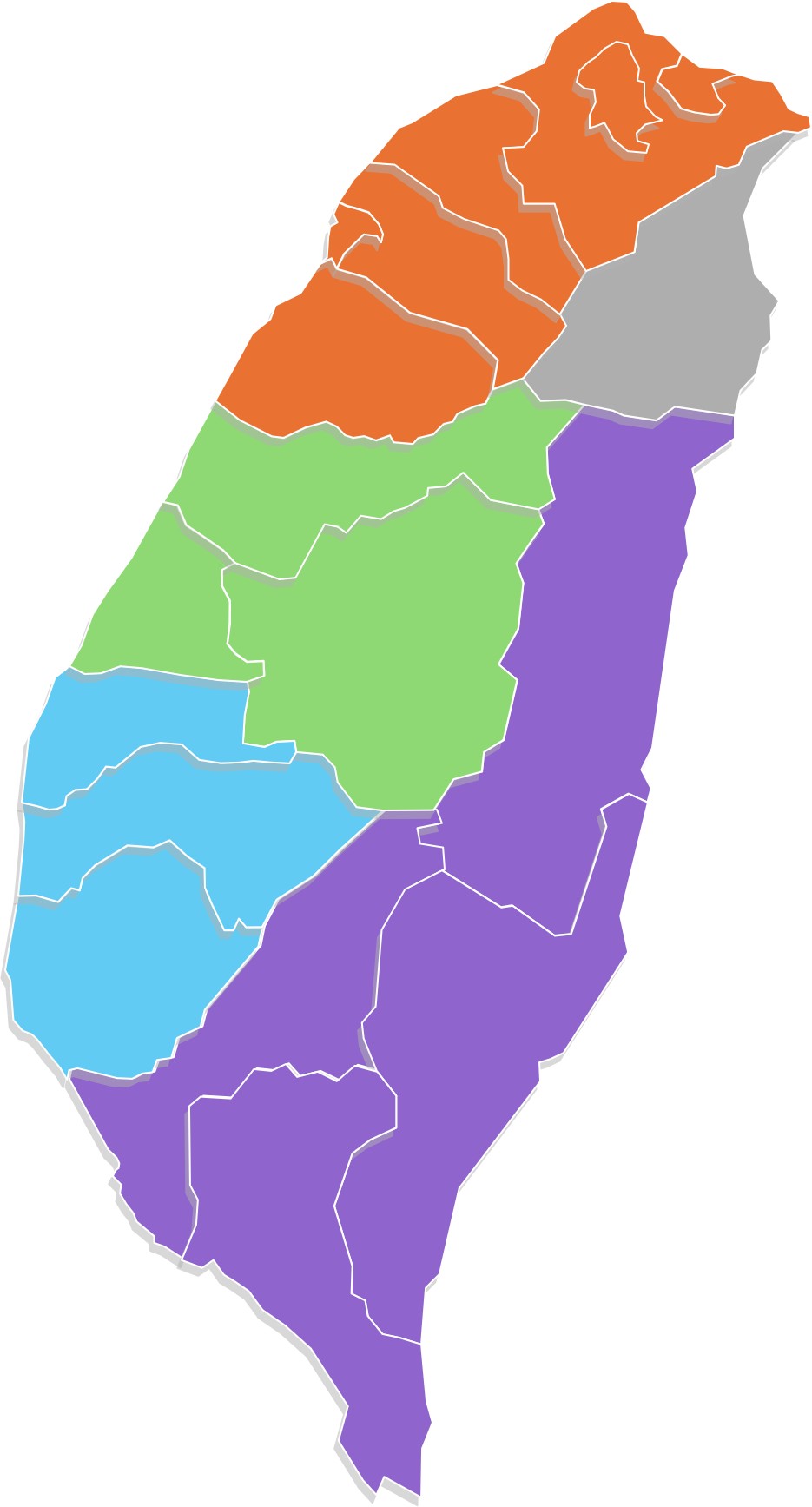
▶北部都會: 北投在日治時期率先展開高溫釉與瓷器量化實驗,成為近代陶瓷技術與審美導入的重要起點;鶯歌則憑藉優質黏土與交通優勢累積兩百餘年窯業基礎,並於日治後期至戰後加速完成機械化、生產燃料升級與產業量化擴張,最終形成臺灣最具代表性的陶瓷產業聚落。
Northern Urban Areas: Beitou pioneered high-temperature glaze and porcelain experimentation during the Japanese colonial period, becoming an important starting point for modern ceramic technology and aesthetics in Taiwan. Yingge, with its high-quality clay resources and transportation advantages, accumulated more than two centuries of kiln industry history and later developed into Taiwan’s most representative ceramic production center through mechanization and industrial expansion.
▶中部丘陵: 日治時期苗栗較早出現石陶器品質的生產體系,並延續至今日以蛇窯、柴燒文化與工作室型創作並存;南投因地理環境條件與地方窯業史,形成以生活陶、柴燒窯場與觀光教育型園區為特色的發展路徑。
Central Hills: Miaoli developed stoneware-quality production systems early during the Japanese colonial period and continues today with a coexistence of snake kilns, wood-firing culture, and studio-based creation. Nantou, with its transportation advantages and kiln history, developed a ceramic culture centered on functional ware, wood-fired kilns, and tourism-oriented ceramic parks.
▶嘉義交趾陶: 交趾陶隨移民匠師與技術渡臺,長期依附寺廟建築需求而成熟,並在匠師流派、釉彩系統與「對場」競作文化中落地生根;尤以嘉義地區匠師傳承、作品密度與文化辨識度最高,成為交趾陶最具代表性的核心地帶。
Chiayi Koji Pottery: Koji pottery techniques were brought to Taiwan by immigrant craftsmen and long depended on temple architecture demands. Through craft lineages, glaze systems, and competitive workshop traditions, Chiayi became the most representative center of Koji pottery in Taiwan.
▶東南部創作聚落: 以在地陶土與高溫釉彩的探索為基礎,發展出公共陶壁等大型作品形態。
Southeastern Creative Areas: These regions developed large-scale ceramic works, including public ceramic walls, through exploration of local clay materials and high-temperature glaze techniques.