
纖維工藝,是以纖維為主要材料,透過編、結、染、織、繡等技術發展形體的工藝類型。所謂纖維,為長形且細長的物質,包含棉、麻、竹、木等植物纖維,以及羊毛、蠶絲等動物纖維,亦涵蓋近代發展的人造纖維。這些材料需先經加工轉為線或面,再依序透過不同技法構組,形成平面或立體的各種形式。
纖維的特性,使其具備高度的可塑性與延展性。線狀結構可透過交織、纏結與編構,轉化為具有組織性的面與空間,形成纖維工藝最核心的結構性特質。同時,不同材料與技術的運用,也帶來豐富的肌理與造形變化,使纖維工藝在功能與表現之間保有高度彈性。
臺灣地處多樣氣候帶,天然纖維資源豐富。從歷史文獻所見,苧麻、芭蕉布、藺草、藤與各類草本植物,長期為生活與產業所用;戰後調查更顯示,臺灣可利用的纖維種類多達數百種,提供工藝發展深厚的材料基礎。1950年代後,人造纖維的發展,也進一步擴展了材料的可能性。
戰後初期,纖維工藝持續支撐日常生活與民間信仰需求,例如織布、刺繡、編織等技術廣泛應用於衣著、器用與祭儀物件。1970至90年代,外銷手工業興盛,形成以家庭為單位的生產模式。隨著產業結構轉變與生產外移,傳統手工製作面臨挑戰。
1990年代以後,纖維工藝因其與土地、文化與記憶的緊密連結,再度受到重視。從藺草編、結藝、藍染、織布到刺繡與纏花,這些工藝不僅延續生活功能,也逐步發展為具有文化表述與創作意識的當代表現。
纖維工藝以柔軟的材料,構築出堅韌的結構。在不斷變動的時代之中,持續編織著生活、文化與記憶之間的連結。
---
Fiber craft is a type of craft that uses fibers as its main material and develops forms through techniques such as weaving, knotting, dyeing, embroidery, and stitching. Fibers include plant materials such as cotton, ramie, bamboo, and wood fiber, as well as animal fibers such as wool and silk, along with modern synthetic fibers. These materials are first processed into threads or surfaces, then structured into flat or three-dimensional forms through different techniques.
Because of their flexibility and adaptability, fibers can be woven, knotted, and layered into organized structures and spaces. Different materials and techniques also create a wide variety of textures and forms, giving fiber craft strong flexibility between function and artistic expression.
Taiwan’s diverse climate provides rich natural fiber resources. Historical records show long-term use of ramie, banana fiber cloth, rush grass, rattan, and other plant fibers in daily life and local industries. Postwar surveys further revealed hundreds of usable fiber materials in Taiwan, providing a strong foundation for fiber craft development. After the 1950s, synthetic fibers further expanded material possibilities.
In the early postwar period, fiber craft continued to support daily life and folk religion. Techniques such as weaving, embroidery, and basketry were widely used in clothing, utensils, and ritual objects. From the 1970s to the 1990s, export-oriented handicraft industries created family-based production systems. As industries later shifted overseas, traditional handmade production faced challenges.
After the 1990s, fiber craft regained attention because of its close connection to land, culture, and memory. Rush weaving, knotting, indigo dyeing, weaving, embroidery, and flower-thread craft gradually developed from practical techniques into forms of cultural and contemporary artistic expression.
Using soft materials to build strong structures, fiber craft continues to weave together life, culture, and memory in changing times.
---
【地域發展與特色 Regional Development and Characteristics】
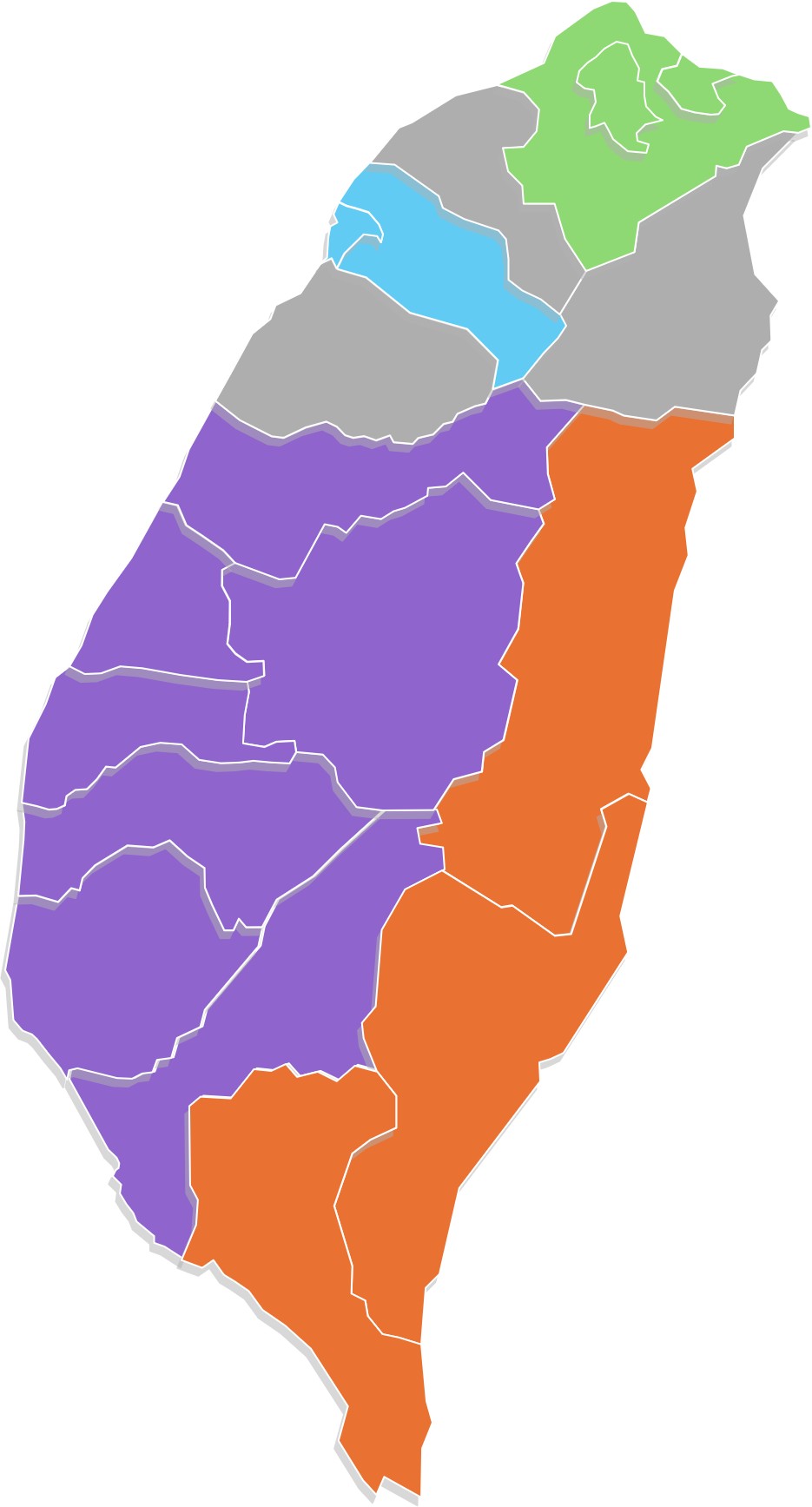
▶北部丘陵濕冷地帶(藍染): 氣候濕冷,適合馬藍發酵製靛,如三峽、陽明山等地,形成以菁礐為核心的藍染聚落,強化纖維工藝中的染色文化。
Northern Cool and Humid Hills (Indigo Dyeing): Areas such as Sanxia and Yangmingshan developed indigo dyeing communities based on fermented indigo production.
▶風口與與丘陵地帶(柿染): 如新竹地區,受九降風與強烈日照影響,發展柿染技術,成為纖維工藝中重要的天然染色。
Windy and Hilly Areas (Persimmon Dyeing): Areas such as Hsinchu developed persimmon dyeing because of strong seasonal winds and sunlight, becoming an important natural dyeing tradition in fiber craft.
▶西部平原與丘陵地區(藺草、藍染): 以藺草編織為代表,並因日照充足、排水良好,結合部分植物染材料,形成結合農業與染色技術的藍染工藝。
Western Plains and Hills (Rush Weaving and Indigo Dyeing): These areas developed rush weaving and indigo dyeing through favorable agricultural conditions and strong sunlight.
▶山地與丘陵地帶(苧麻、構樹): 以山區種植作物為主,發展織布與纖維加工技術,並結合部分植物染材料,形成纖維與染色並行的工藝系統。
Mountain and Hill Areas (Ramie and Paper Mulberry): Mountain regions developed weaving and fiber-processing techniques using ramie and paper mulberry, often combined with plant dyeing materials.
▶東部與南部熱帶區域(香蕉絲、月桃、林投): 以熱帶植物纖維為主,發展編織與繩結工藝,並結合天然染材使用,形成與部落生活密切相關的纖維工藝體系。
Eastern and Southern Tropical Areas (Banana Fiber, Shell Ginger, Pandanus): Tropical plant fibers were used for weaving and rope-making, forming fiber craft systems closely connected to Indigenous community life.