
玻璃是一種以二氧化矽為主要成分的非晶質材料,具有透明、堅硬、耐化學性佳與可塑性高等特質。它能在高溫中軟化成形,冷卻後凝固保存形體;也能透過折射、透光與色彩變化,展現獨特的視覺層次。正因如此,玻璃長期被運用於生活器皿、建築材料、醫療容器、光學科技與藝術創作之中。
臺灣玻璃的使用,至少自清代以來已可見於民間生活。平埔族墓葬出土的玻璃手環與飾件,顯示玻璃曾作為裝飾品與身分象徵;清代由中國傳入的玻璃畫,也常見於床、梳妝台等家具裝飾,承載吉祥寓意與生活美感。
日治時期,玻璃產業逐步走向現代化。隨著工業技術、設備與日本資本進入臺灣,玻璃瓶罐、燈罩、藥水瓶等產品陸續生產,玻璃從日常器物進一步成為工業與醫療所需的重要材料。新竹因具備矽砂原料與天然瓦斯能源,自1920年代起逐漸形成玻璃工廠聚集地,奠定日後玻璃之城的產業基礎。
戰後,臺灣玻璃產業承接日治時期工廠與技術基礎持續發展。1950年代,新竹玻璃產業進入繁盛期;1960年代後,玻璃生產從工業製造延伸至工藝部門與人才培育。1980年代起,隨著新技術引進與藝術創作興起,玻璃逐漸從生活器皿與觀光紀念品,轉向更具藝術性與文化表述的創作媒材。
1990年代以後,在地方文化政策與教育推動下,玻璃工藝進一步制度化。新竹金玻獎、竹塹國際玻璃藝術節,以及1999年成立的新竹玻璃工藝博物館,皆為臺灣玻璃文化發展劃下重要里程碑。
今日的玻璃工藝,已不再侷限於吹製、壓模或器皿生產,而是結合窯燒、鑄造、複合媒材、公共藝術與空間裝置等多元形式。玻璃以其透明、折射與光影變化,連結科技、生活與美感,也持續展現臺灣工藝在材料轉化中的創造力。
---
Glass is an amorphous material mainly composed of silica. It is transparent, hard, chemically stable, and highly workable. When heated, glass softens and can be shaped; after cooling, it hardens and preserves its form. Through transparency, refraction, and color changes, glass can also create unique visual effects. Because of these qualities, glass has long been used in daily utensils, architecture, medical containers, optical technology, and artistic creation.
The use of glass in Taiwan can be traced back at least to the Qing dynasty. Glass bracelets and ornaments found in Plains Indigenous tombs show that glass was once used as decoration and as a symbol of identity. Glass paintings introduced from China during the Qing period were also commonly used in furniture decoration, such as beds and dressing tables, carrying auspicious meanings and decorative beauty.
During the Japanese colonial period, Taiwan’s glass industry gradually modernized. With the introduction of industrial technology, equipment, and Japanese investment, products such as glass bottles, lampshades, and medicine bottles began to be manufactured. Glass expanded from daily objects into an important industrial and medical material. Hsinchu, with its silica sand resources and natural gas supply, gradually became a center for glass factories from the 1920s onward, establishing the foundation of Taiwan’s “glass city.”
After World War II, Taiwan’s glass industry continued to develop based on the factories and technical foundations established during the Japanese colonial period. In the 1950s, the Hsinchu glass industry entered a period of prosperity. After the 1960s, glass production expanded from industrial manufacturing into craft production and talent training. From the 1980s onward, with the introduction of new technologies and the rise of artistic creation, glass gradually shifted from daily utensils and tourist souvenirs toward a more artistic and cultural medium.
After the 1990s, glass craft became further institutionalized through local cultural policies and educational programs. Events and institutions such as the Hsinchu Golden Glass Awards, the Hsinchu International Glass Art Festival, and the Hsinchu Glass Museum established in 1999 became important milestones in the development of Taiwan’s glass culture.
Today, glass craft is no longer limited to glass blowing, molding, or vessel production. It now includes kiln-forming, casting, mixed media, public art, and spatial installation. Through its transparency, refraction, and interaction with light, glass continues to connect technology, daily life, and aesthetics, while demonstrating the creativity of Taiwanese craft in material transformation.
---
【地域發展與特色 Regional Development and Characteristics】
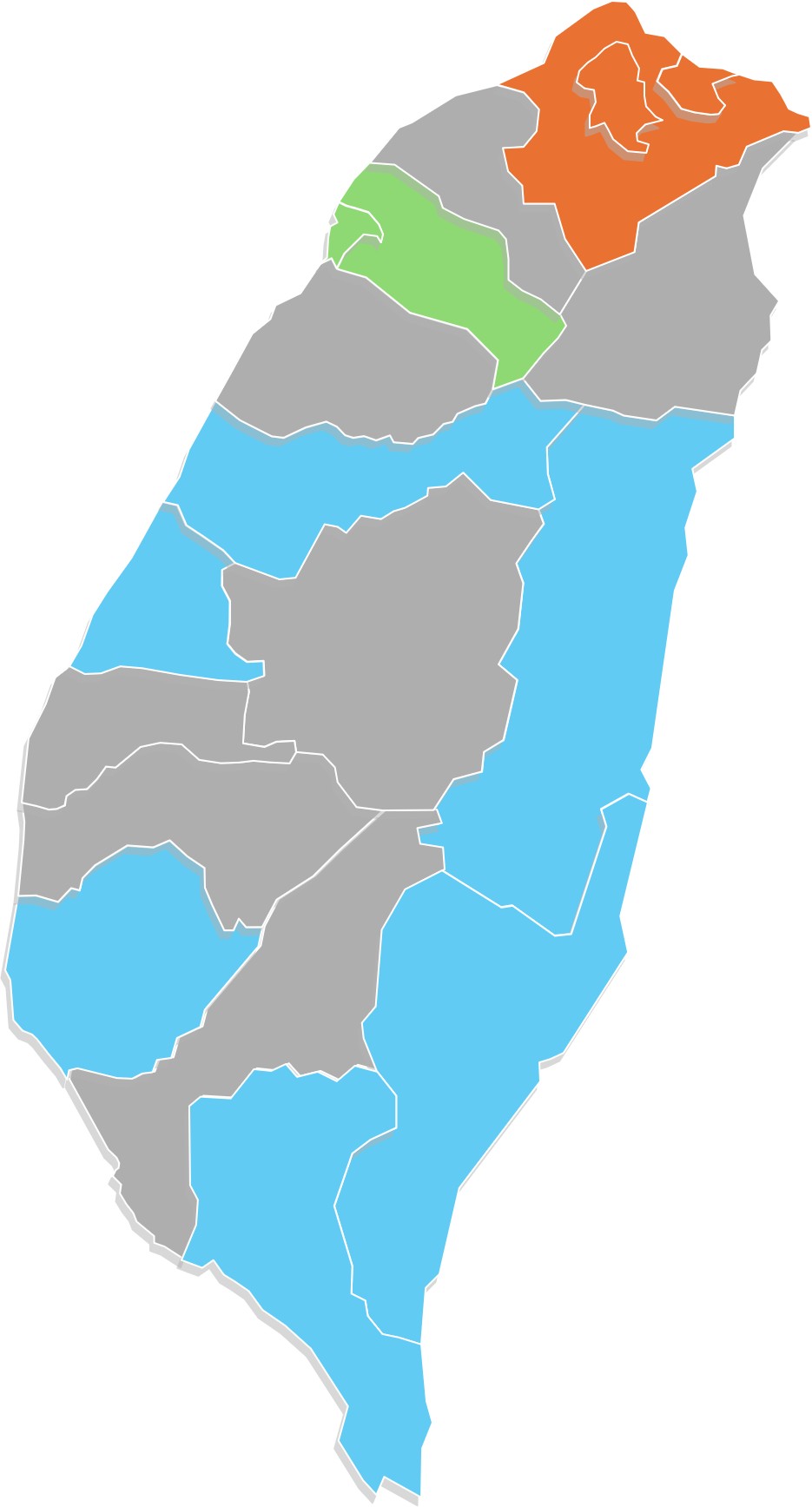
▶臺北與新北地區: 清末台北地區已有坩堝窯手工吹製玻璃器皿的小型工廠,為臺灣玻璃產業最早的萌芽地。
Taipei and New Taipei Areas: By the late Qing dynasty, small workshops using crucible kilns for handmade blown glass had already appeared in the Taipei area, marking the early beginnings of Taiwan’s glass industry.
▶新竹地區: 新竹關西、橫山、北埔山區蘊藏豐富矽砂資源,並具天然氣供應條件,加上縱貫鐵路交通優勢,使其具備玻璃熔煉所需的原料與能源基礎。日治時期設廠製瓶,逐步形成玻璃工廠聚落。
Hsinchu Area: The mountain areas of Guanxi, Hengshan, and Beipu in Hsinchu contain abundant silica sand resources and natural gas supplies. Combined with transportation advantages from the north-south railway, the area had the raw materials and energy needed for glass production. Glass bottle factories established during the Japanese colonial period gradually formed an important industrial cluster.
▶其他地區: 日治與戰後時期部分玻璃業者遷至臺南持續經營,延續工業製造體系。臺中、花蓮、臺東、屏東等地,多依附觀光資源與藝術教育體系發展玻璃創作坊,強調體驗經濟與文化展演,而非原料生產型產業。
Other Areas: During and after the Japanese colonial period, some glass manufacturers relocated to Tainan and continued industrial production. In Taichung, Hualien, Taitung, and Pingtung, glass studios developed through tourism resources and art education systems, focusing more on cultural experience and artistic presentation rather than raw material production.