
在臺灣史前與原住民民族社會中,木作並非單一技藝,而是深嵌於生活中的基礎工藝。由於島嶼森林資源豐富,木材取得容易、加工性高,自史前時期起即被廣泛運用於房屋建構、舟船製作、農作工具與日常器具之中,形成以「木」為核心的工藝生活體系。
木作的意義不僅止於實用。從聚落空間的形成、交通與移動的方式,到祖靈信仰與祭儀系統中的雕刻、立柱與器物,木作同時回應著生存、秩序與信仰。例如排灣族祖靈柱與達悟族拼板舟,皆展現出對材料、結構與文化規範的理解與調適,使木作連結人與自然、生活與信仰,進入象徵與精神的層面。
在1945年以前,木作尚未被劃分為「木雕」、「建築」或「器具製作」等類別,而是以生活技藝的形式存在,橫跨日常與儀式。進入近代之後,隨著外來制度與分類觀念的引入,木作逐漸被納入工藝與藝術的框架之中,木雕亦成為具代表性的表現形式之一。
另一方面,臺灣木雕的發展亦受移民文化影響,早期匠師多來自中國福建與廣東,並在臺南、鹿港、萬華、豐原、大溪、三義等地形成地方產業聚落,發展出多元的風格與技術。從史前生活到當代創作,木工藝始終回應著環境條件與文化需求的變化。
---
In prehistoric Taiwan and Indigenous societies, woodworking was not a single craft category, but a fundamental part of daily life. With abundant forest resources across the island, wood was easy to obtain and highly workable. Since prehistoric times, it has been widely used for house construction, boats, farming tools, and daily utensils, forming a craft system centered around wood.
The meaning of woodworking extended beyond practical use. From settlement structures and transportation to ancestral beliefs and ritual systems, carvings, pillars, and objects all reflected connections between survival, social order, and spirituality. Examples such as the ancestral pillars of the Paiwan people and the plank boats of the Tao people demonstrate deep understanding of materials, structure, and cultural traditions, linking woodworking with nature, daily life, and belief systems.
Before 1945, woodworking was not separated into categories such as wood carving, architecture, or object making. Instead, it existed as a living skill that crossed both daily and ceremonial use. In the modern period, influenced by imported systems and classifications, woodworking gradually became part of the fields of craft and art, with wood carving becoming one of its representative forms.
The development of Taiwanese wood carving was also influenced by immigrant culture. Many early craftsmen came from Fujian and Guangdong in China, later forming local craft clusters in Tainan, Lukang, Wanhua, Fengyuan, Daxi, and Sanyi, each developing diverse styles and techniques.
From prehistoric life to contemporary creation, woodworking has always responded to changes in environmental conditions and cultural needs.
---
【地域發展與特色 Regional Development and Characteristics】
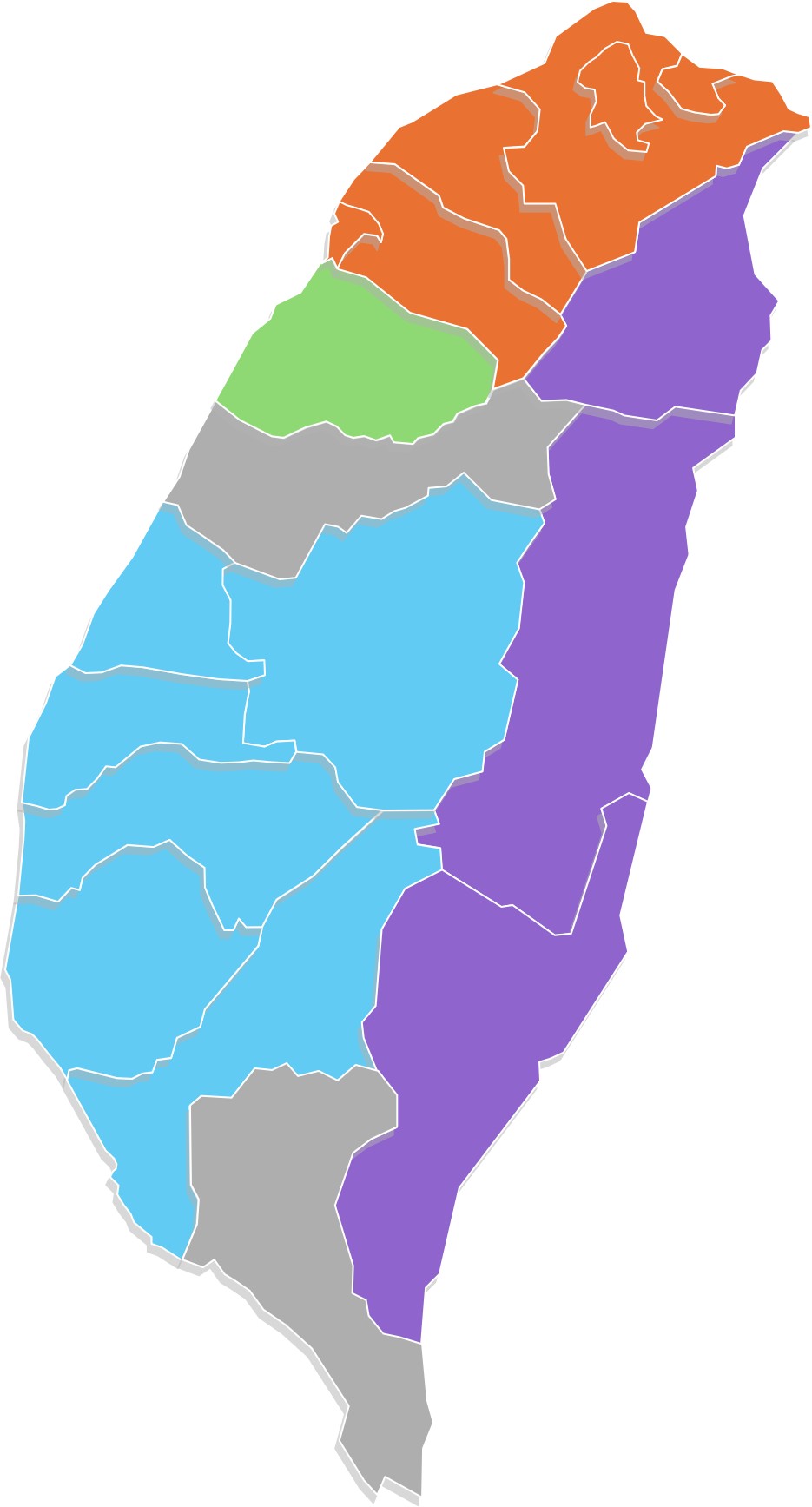
▶ 北部港口與都市帶:臺北、基隆等港口城市因貿易便利,日治前期木材、家具與木製器具輸入量高,帶動都市木作需求與早期家具工場萌芽。
Northern Port and Urban Areas: Port cities such as Taipei and Keelung benefited from trade and imported large amounts of timber, furniture, and wooden goods during the early Japanese colonial period, encouraging urban woodworking and early furniture workshops.
▶ 苗栗三義地區:地勢較高、濃霧環境利於樟木生長,結合樟腦產業遺緒與樹根(樟木樹頭)再利用,發展出木雕產業與觀光街區。
Sanyi, Miaoli: The mountainous and misty environment supported camphor tree growth. Combined with the camphor industry and reuse of camphor roots, Sanyi developed a woodcarving industry and tourism district.
▶ 彰化鹿港與中南部沿海商鎮:港口貿易與宗教信仰密集,帶動寺廟建築木作、神像雕刻、神桌佛具等需求;師徒制度嚴謹,形成「鹿港師傅」的技藝擴散。
Lukang, Changhua and Central-Southern Coastal Towns: Dense trade activity and religious culture created demand for temple woodworking, deity carving, altars, and religious furniture. Strong apprenticeship systems helped spread the skills of "Lukang craftsmen."
▶ 東部海岸帶:颱風豪雨後漂流木上岸成為獨特材料來源,沿海居民與原住民藝術家將其轉化為木雕與裝置,形成兼具自然性與文化敘事的創作。
Eastern Coastal Areas: Driftwood carried ashore after typhoons and heavy rain became a unique material source. Coastal residents and Indigenous artists transformed it into wood sculptures and installations that combine natural forms with cultural narratives.