
工藝不僅是造物的手藝,更是生活經驗與美學意識的體現。「器」聚焦於工藝與生活的連結,將天然媒材轉化為融入日常的質感物件,讓工藝品不再只是陳列的藝術,而是具體可感的陪伴;「境」則呈現工藝在當代創作中的延伸,展現跨越傳統邊界、探索當代美學的融合與演繹。
從生活器具的「器」,到精神意識與情境氛圍的「境」,工藝在日常的使用與當代的創作間交織流轉,形塑出生活與藝術相輔相成的美學風景。
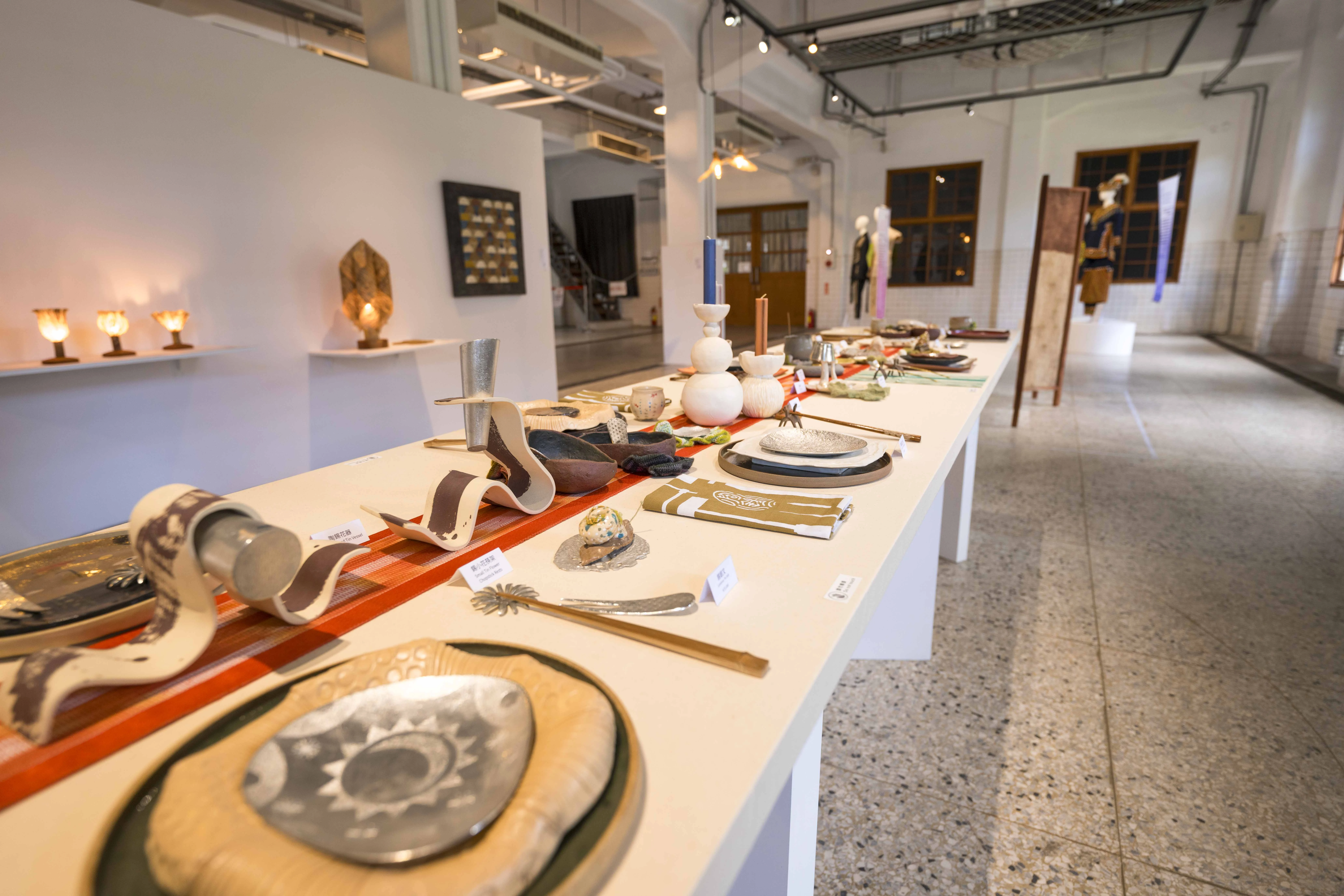
✨陶錫工藝 Taoxi Craft
陶錫工藝是一個立足於花蓮、融合陶與錫兩種媒材的工藝品牌,關注自然、人與土地之間的連結。我們從日常生活出發,創作出兼具實用與美感的器物,讓工藝成為生活中可被使用、細細體會的風景。
Taoxi Craft is a Hualien-based brand that mixes the mediums of ceramics and pewter, focusing on the connections between nature, people, and the land. Developing inspiration from everyday life, we create functional yet beautiful objects, transforming craftsmanship into a scenic element of daily life—one that can be used and deeply appreciated.
作品《縱谷盛宴》關注的是「縱谷生活與自然風土的斷裂」,以及如何透過物件重新建構人、土地與生活的當代精神儀式。本作品將花東縱谷的地理紋理、氣候光影與花蓮縱谷特有的秀姑巒溪及山林風貌轉化為可使用的餐桌器物。透過當代生活飲食的擺設,呈現工藝如何從單純的功能性物件,連結部落生活與自然生態,形成一場每日都可能進行的生活劇場。
Feast of Nature addresses the "disconnection between life in the Rift Valley and the natural landscape," exploring how objects can be used to reconstruct a contemporary ritual that embodies the spirit of the relationship between people, the land, and daily life. This work transforms the geographical textures, climate, and interplay of light and shadow of the East Longitudinal Valley—along with the distinctive features of the Xiuguluan River and the surrounding mountain forests—into functional tableware. Through the arrangement of contemporary dining settings, the project demonstrates how craftsmanship transcends mere utility to bridge tribal life with the natural ecosystem, creating a "theater of daily life" that can unfold every day.
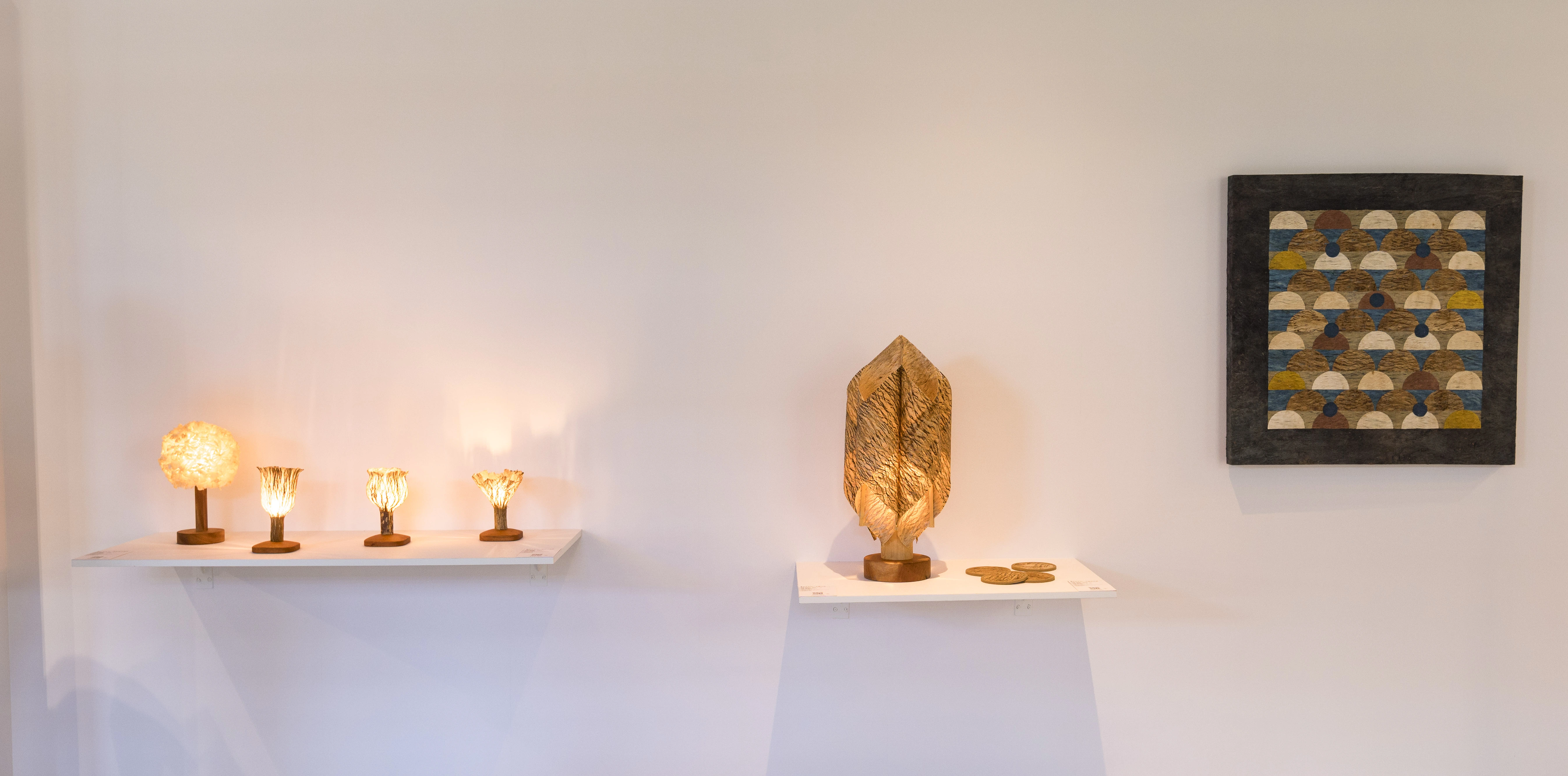
✨黑色雋永 Lumamiling
黑色雋永是一個以樹皮纖維工藝為核心的設計品牌,團隊成員四人——王雅蘭、顏裴晏、佬祖·魯魯安及廖曉蓉,皆來自屏東,根植於排灣、魯凱族文化。 我們相信,文化是流動的,唯有在日常中實踐與延續,才能讓它自然融入生活,成為我們的一部分。
Lumamiling is a design brand centered on the craft of tree-bark fiber. The four-member team—Zepulj Kaluvung, Yan Peiyan, Laucu Druluan, and Ciku Idung—hails from Pingtung and is deeply rooted in the cultures of the Paiwan and Rukai peoples. We believe that culture is fluid; only by practicing and perpetuating it in our daily lives can it naturally integrate into our existence and become an intrinsic part of who we are.
作品《樹皮纖維系列》,在過去,我多透過圖紋、色彩與文化符號表達文化背景,但也逐漸思考:如果文化只能透過既定的符號被辨識,那麼它和我們今天真實的生活之間,還有什麼樣的連結?返鄉後,透過與部落一起工作、採集,學習使用生活中的材料,我發現文化也存在於人與土地相處的方法、材料取得與器物製作之中。2022年,我開始暫時放下熟悉的文化符號,從生活本身出發,探索自然素材在當代生活中的可能性。
Tree-Bark Fiber Crafts: In the past, I primarily expressed cultural heritage through patterns, colors, and symbols; yet, I began to question: if culture is recognized solely through established symbols, what connection does it truly hold to our actual lives? After returning to my hometown and working alongside the tribe—gathering resources and learning to utilize everyday materials—I discovered that culture also resides in the ways people interact with the land, the sourcing of materials, and the crafting of objects. In 2022, I began to set aside familiar cultural symbols for a time, choosing instead to start from daily life itself and explore the possibilities of natural materials within a contemporary context.