
創作者以工藝的材料、技術與製作為基礎,發展不同的創作形式;同時透過當代服飾設計,重新詮釋傳統符號,展現工藝跨越藝術與設計領域的多元表現。
Contexts explores how craft extends into contemporary creative practices.
Artists develop diverse forms of expression based on the materials, techniques, and craftsmanship involved in the making process; simultaneously, through contemporary fashion design, they reinterpret traditional symbols, showcasing the multifaceted nature of craftsmanship as it bridges the realms of art and design.
🧑🎨 展出藝術家
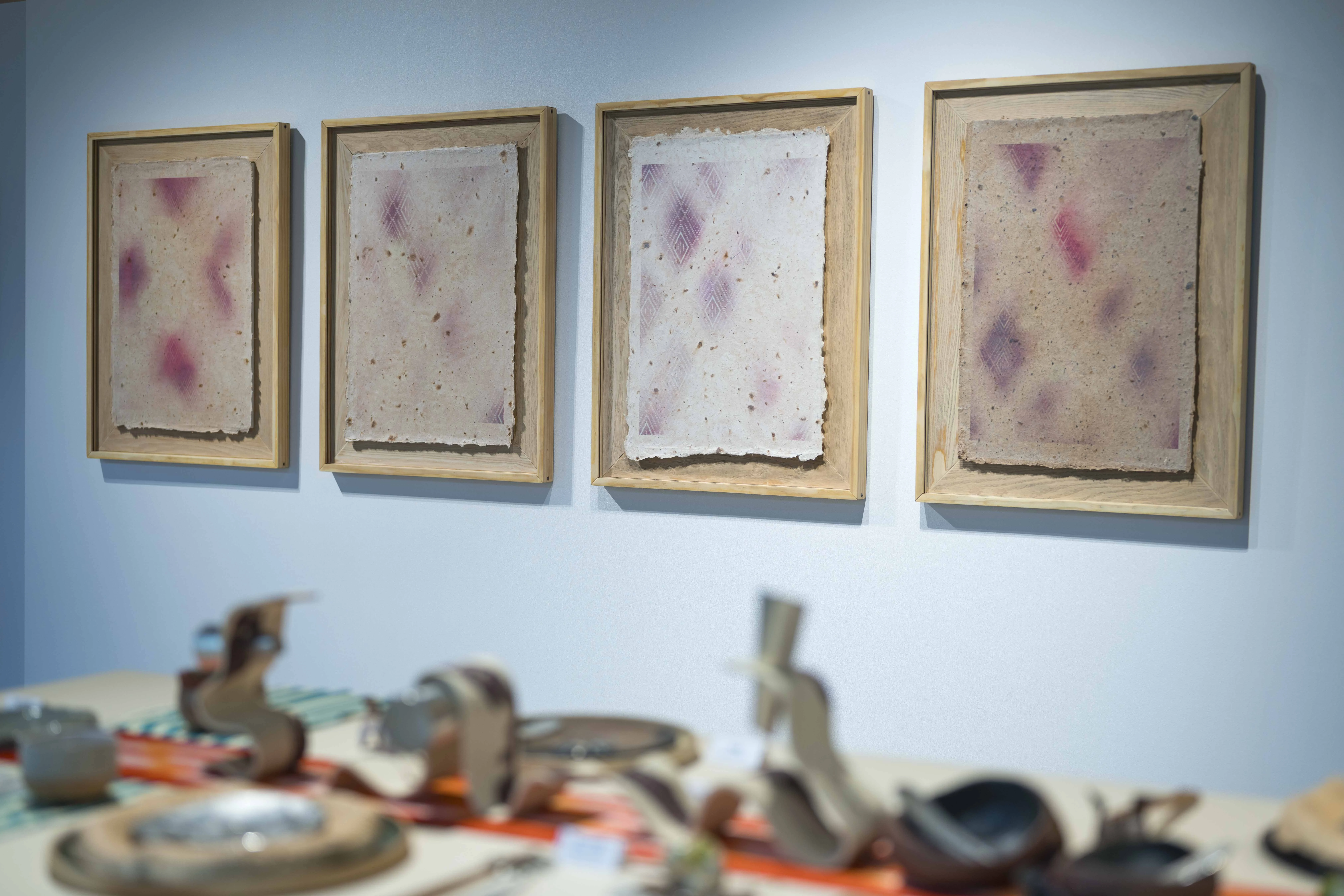 🖼️|徒疼:精神的乘載 The Vulnerable Totem:Bearing Spiritual
✨阮原閩 Siyat Moses
中文名字具有賽德克族與閩南人雙族裔結合的意義。創作關注現代化與全球化下的身份與族群文化,作品多以版印、服裝織品及空間裝置等形式連結個人情感與共有的生命經驗。
The artist’s Mandarin name embodies a dual heritage, combining Sediq and Hoklo (Minnan) roots. Their creative practice explores identity and ethnic culture within the contexts of modernization and globalization, often employing mediums such as printmaking, textile art, and spatial installations to bridge personal emotions with shared lived experiences.
我的作品長期關注「當代原住民族群身分」、「文化傳承中的斷裂與轉譯」,以及全球化與均值化下的文化處境。工業化與現代化讓物質生活日益富足,卻也使生活模式、族群邊界與文化個體性逐漸被均質化。當大家都在談論「返鄉」或「傳統復振」時,我深刻感受到原初的文化環境早已不復存在,實質性的「傳統」或許只是一個美好的幻想。這促使我轉向思考:如果過去已經無法完整重現,那我們該如何面對「現在的我們」?
My work has always focused on contemporary Indigenous identity, the ruptures and translations inherent in cultural transmission, and the state of culture amidst globalization and homogenization. While industrialization and modernization have brought increasing material prosperity, they have also led to the homogenization of lifestyles, ethnic boundaries, and cultural distinctiveness. Amidst widespread discourse on "returning to one's roots" or "revitalizing tradition," I am strongly aware that the original cultural environment is long gone, and that a tangible "tradition" may be nothing more than an idealized fantasy. This has prompted me to consider: if the past cannot be fully recreated, how then do we confront "who we are now"?
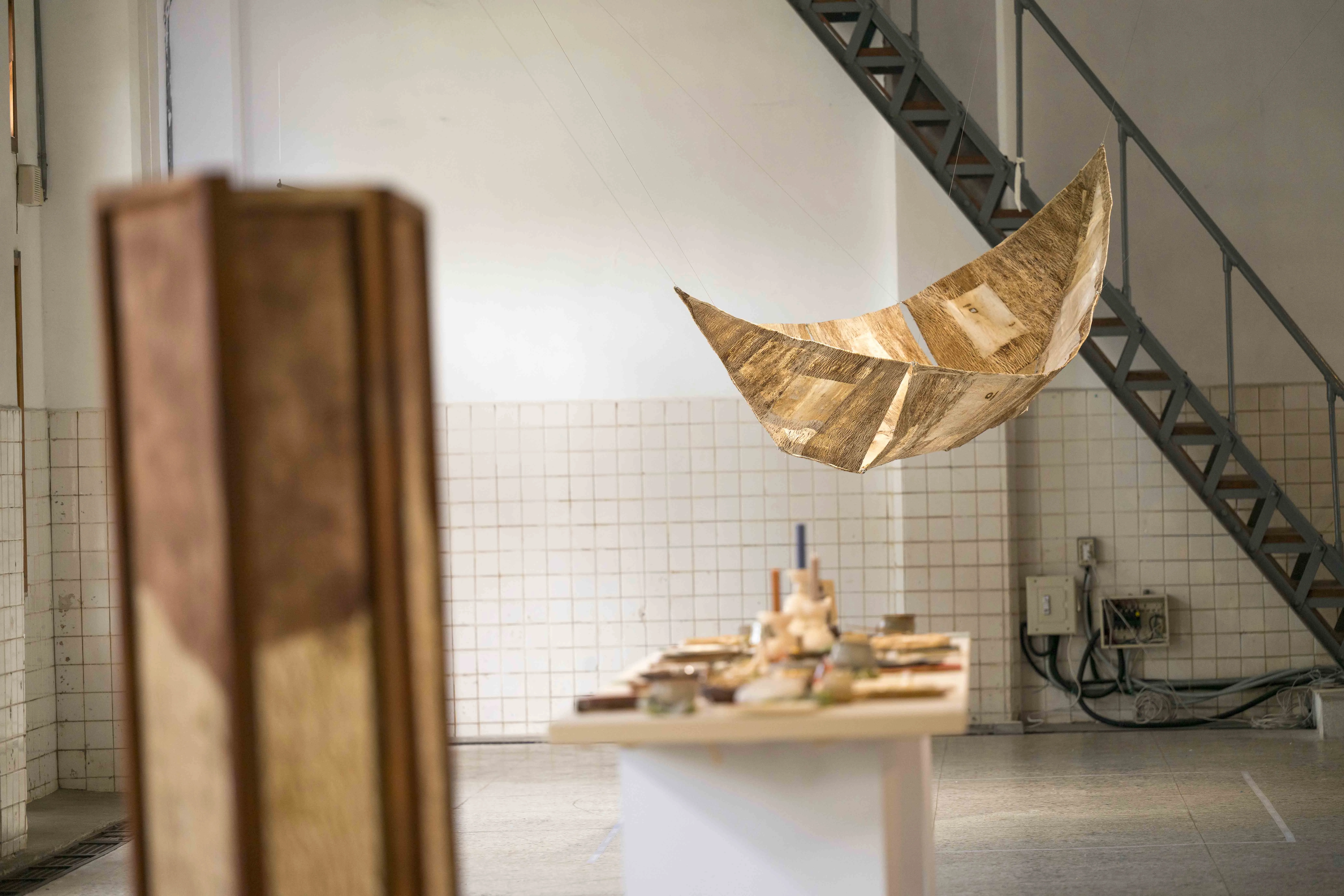
🖼️|蝸牛樂園協奏曲-Santa Fe篇 Snail Paradise Concerto - Chapter of Santa Fe
✨張恩滿 En-Man Chang
出生於臺東,成長、生活與工作於臺北。創作橫跨影像、雕塑與計畫性創作,長期關注臺灣原住民族在不可逆的現代化進程中,如何協調與處理自身於文化、社會及基本生存之間的狀態。
Born in Taitung; raised, based, and active in Taipei. Working across the mediums of video, sculpture, and project-based art, the artist has long focused on how Taiwan’s Indigenous peoples navigate and reconcile their cultural, social, and existential realities amidst the irreversible process of modernization.
我自2009年開始以「非洲大蝸牛」為主題,發展了一系列作品。這個物種既是外來種,也是殖民歷史與全球移動的產物。對我而言,似乎是非洲大蝸牛帶著我去旅行,爬梳了臺灣原住民與島內以及與世界的關係。
Since 2009, I have developed a series of works centered on the Giant African Snail. This species is not only an invasive one but also a product of colonial history and global mobility. To me, it feels as though the Giant African Snail has taken me on a journey, tracing the relationships between Taiwan’s Indigenous peoples, the island itself, and the wider world.
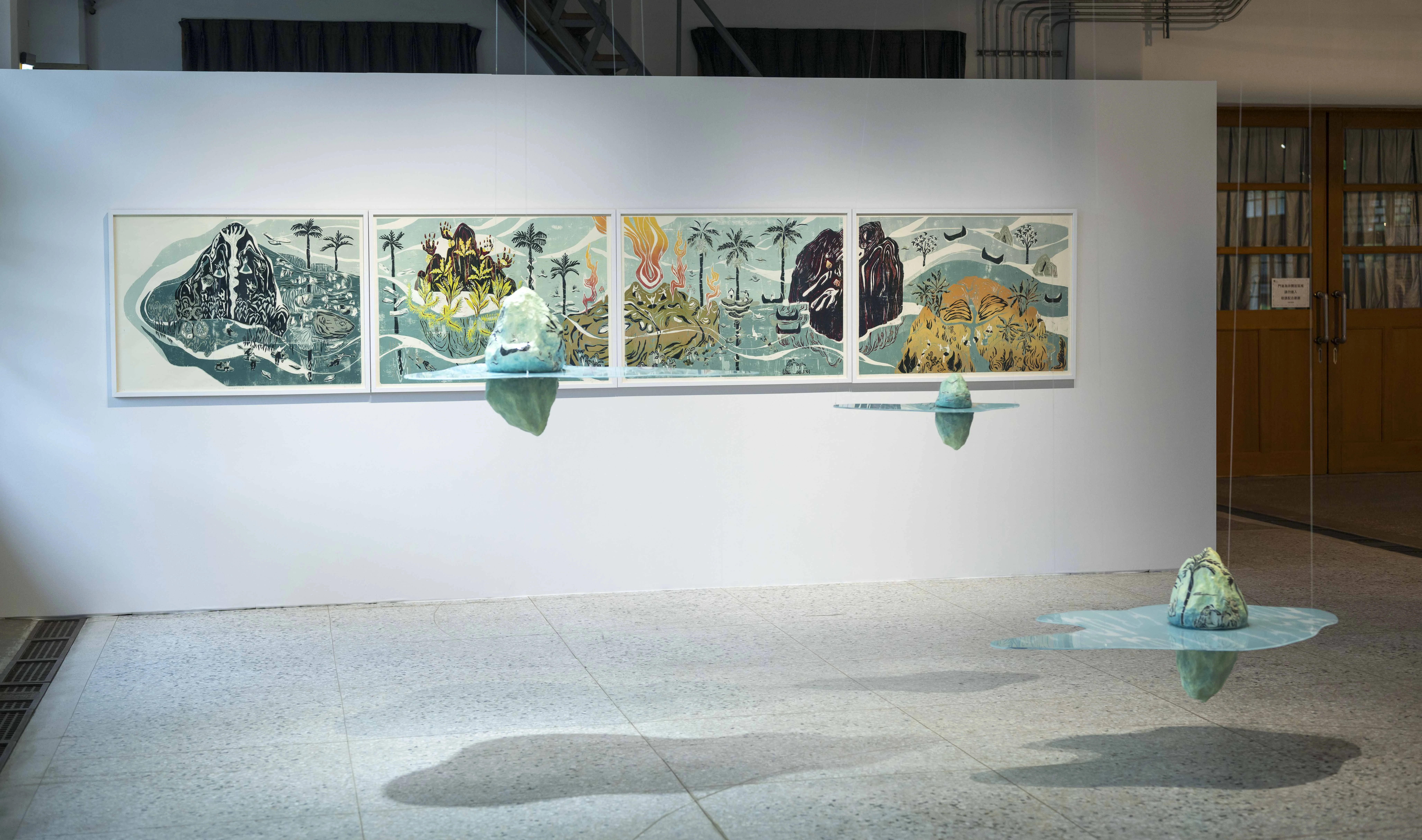
🖼️|洪水過後就有島嶼(第六版) There are islands after the flood (6th Edition)
✨胡家瑜 Ali Istanda
創作核心圍繞布農族文化與現代社會的對話,擅長以版畫技法轉譯土地記憶。透過符號與空間語彙,重構神話與現代生活的對話入口,並持續探索版畫媒材邊界,以及現代處境中的自處與文化傳承。
The creative practice centers on the dialogue between Bunun culture and contemporary society, with a particular aptitude for translating the memory of the land through printmaking techniques. Utilizing symbols and spatial vocabulary, the work reconstructs a gateway for dialogue between mythology and modern life, while continuously exploring the boundaries of the printmaking medium and examining themes of self-positioning and cultural inheritance within the contemporary context.
我的創作方式主要以「故事」作為起始,思考如何透過故事進入作品,並梳理出理解與內心體悟。這件作品來自大學到外縣市讀書時,第一次體驗原住民身處少數環境的感受,過程中伴隨著自我懷疑與摸索,卻始終沒有標準答案。於是以此為起點,創作《洪水過後就有島嶼》。我發現,面對相同的困境,各族群會依照自身特性發展新的生活,人也一樣——大家的命題或許會相似,但能解答的經歷絕對不同。
My creative process usually begins with a “story.” I consider how to enter the work through storytelling and, in the process, develop my own understanding and reflections. This piece grew out of my experience of studying away from home during university, when I first came to understand what it felt like for Indigenous people to live as a minority. The experience involved self-doubt and searching, yet there was never a single definitive answer. Taking this as a starting point, I created There Are Islands After the Flood. I came to realize that when faced with similar difficulties, different communities develop new ways of living according to their own characteristics. The same is true for individuals—our questions may be similar, but the experiences through which we find our answers are always different.